1st and 10: Chris App
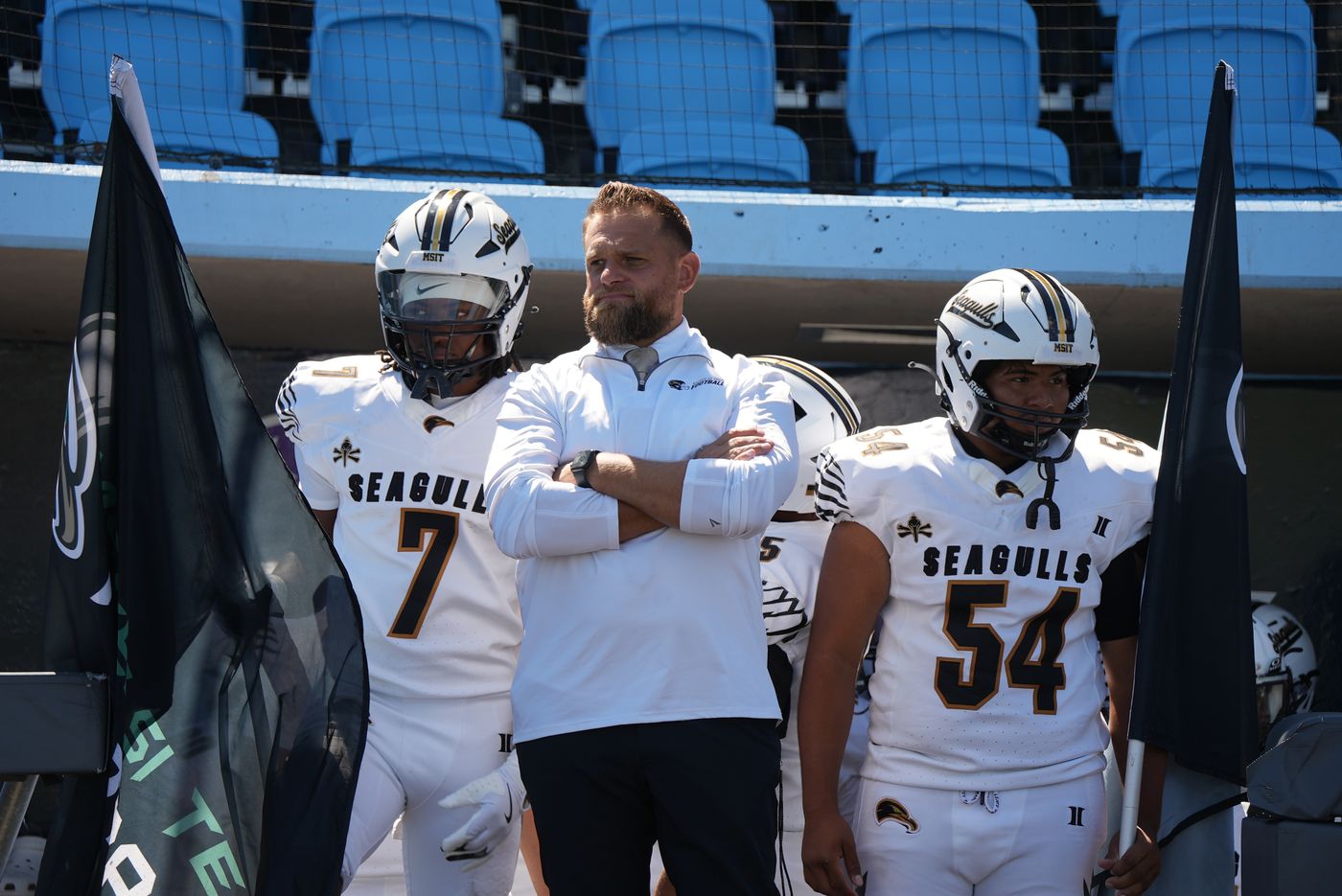
A coach's son who grew up calling the coin toss, now in his sixth season running McKee Staten Island Tech. Trust and respect, a pregame talk that never changes, and the calls that come after 8 o'clock.
Q1Take us back to the moment you knew coaching was what you wanted to do. What was it?
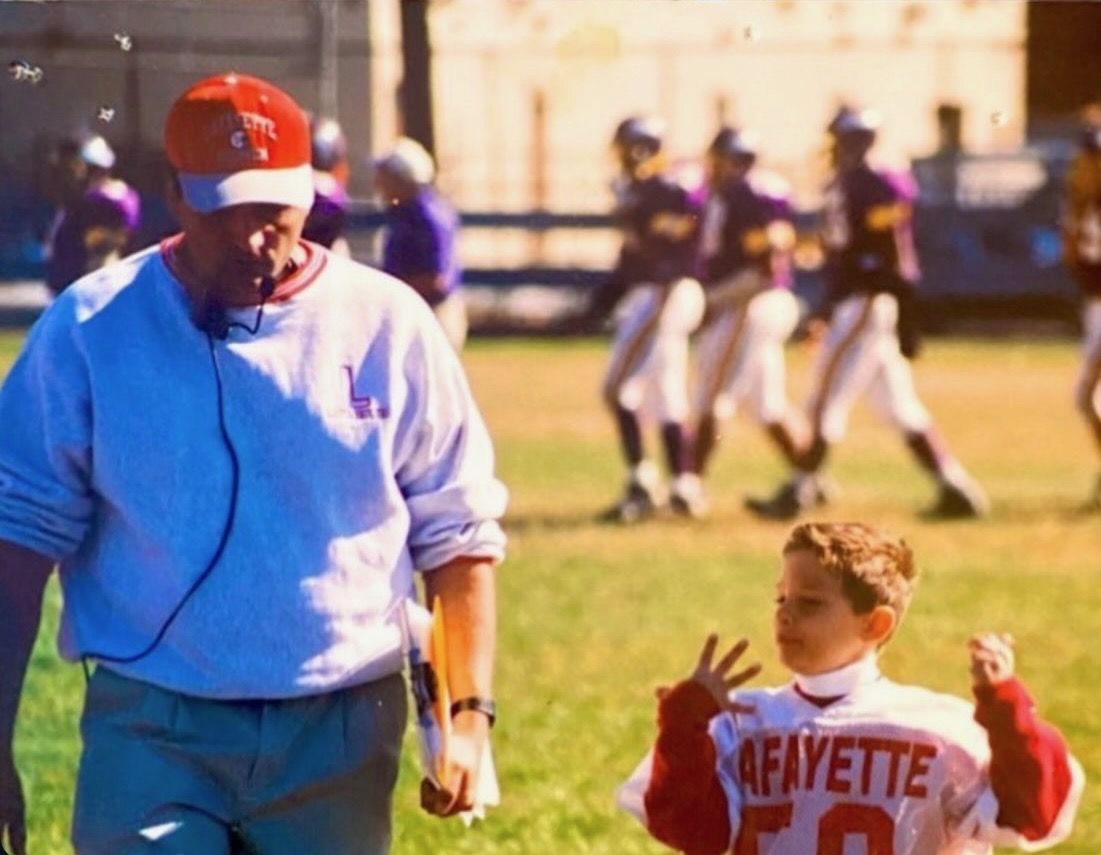
Ever since I was a little kid, I grew up on the sideline. My father was the head coach at Lafayette High School and New Dorp High School, and I wanted to be like him.
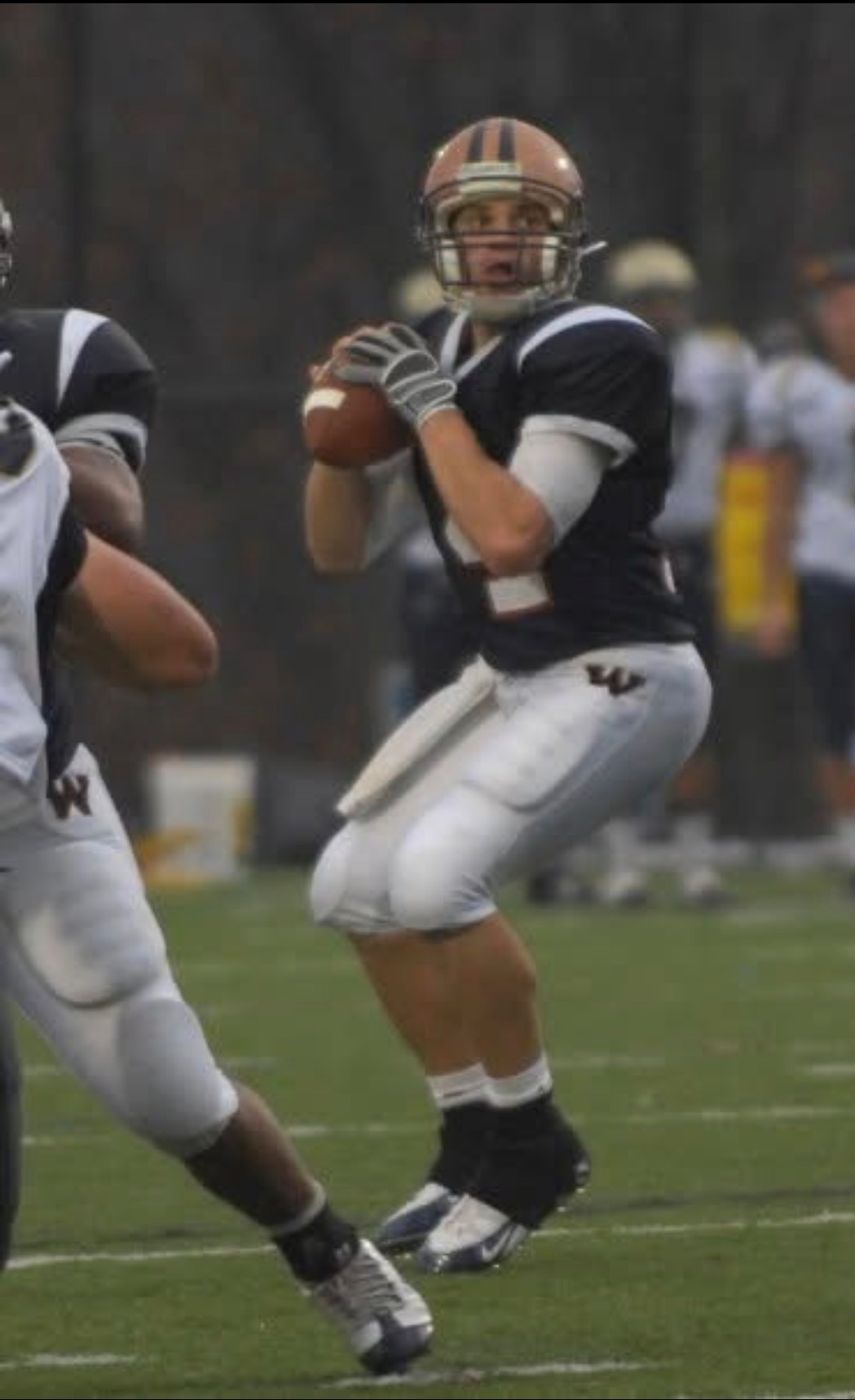
From the moment I could go to the games with him, it was getting in the car in the morning and him asking me what the coin toss was going to be. Then I played under him in high school, and went on to play college football. I always wanted to be in a capacity where I'm serving and giving to kids. At the high school level, you get to coach and develop boys into young men.
Q2If you had to sum up your coaching philosophy in one sentence, what's that sentence?
"The players don't care how much you know. They care how much you care."
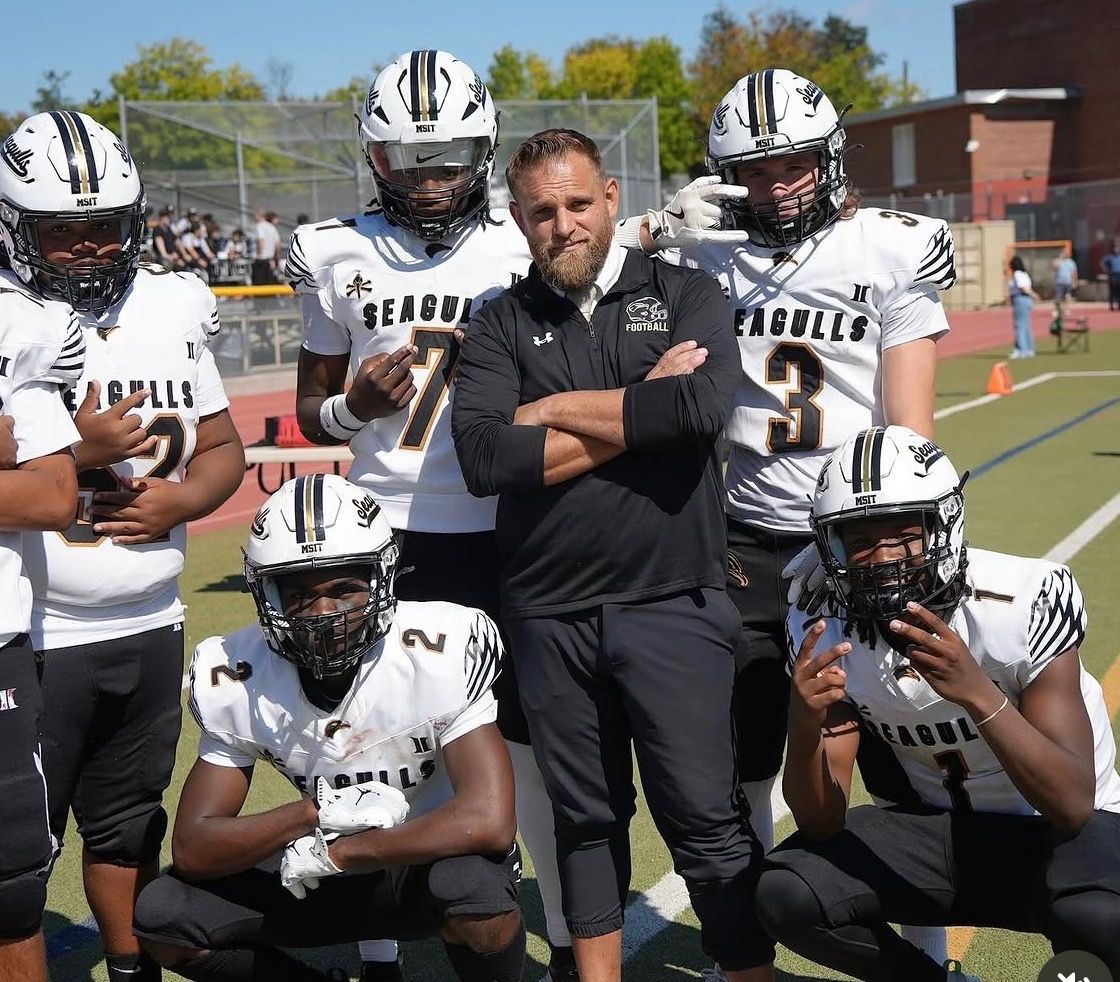
So my philosophy is built on trust and respect. If I trust and respect a player, I can get the most out of him. We develop a lot of kids who come in with no football experience, so we build them from the ground up. When I earn their trust and respect, they usually show it back to me, and that's when we've had really good teams around here.
Q3Who's had the biggest impact on how you've approached your role as a coach?
My father, absolutely. He was a head coach in New York City and went through all of those experiences, and I leaned on him a lot my first couple of years. One of my best friends and mentors is Brian Murphy, the head coach at New Dorp High School. He was my offensive coordinator. Both of their styles and philosophies molded me.
Outside of football, my Uncle Anthony Gennaro was a supreme influence on my leadership style: staying calm under pressure, always having a purposeful plan, and attacking everything with that plan. I've noticed the more prepared I am, the less anxious I become, and I try to have that trickle down to my staff and players.
Q4What's the win, season, or single moment that still gives you chills when you think about it?
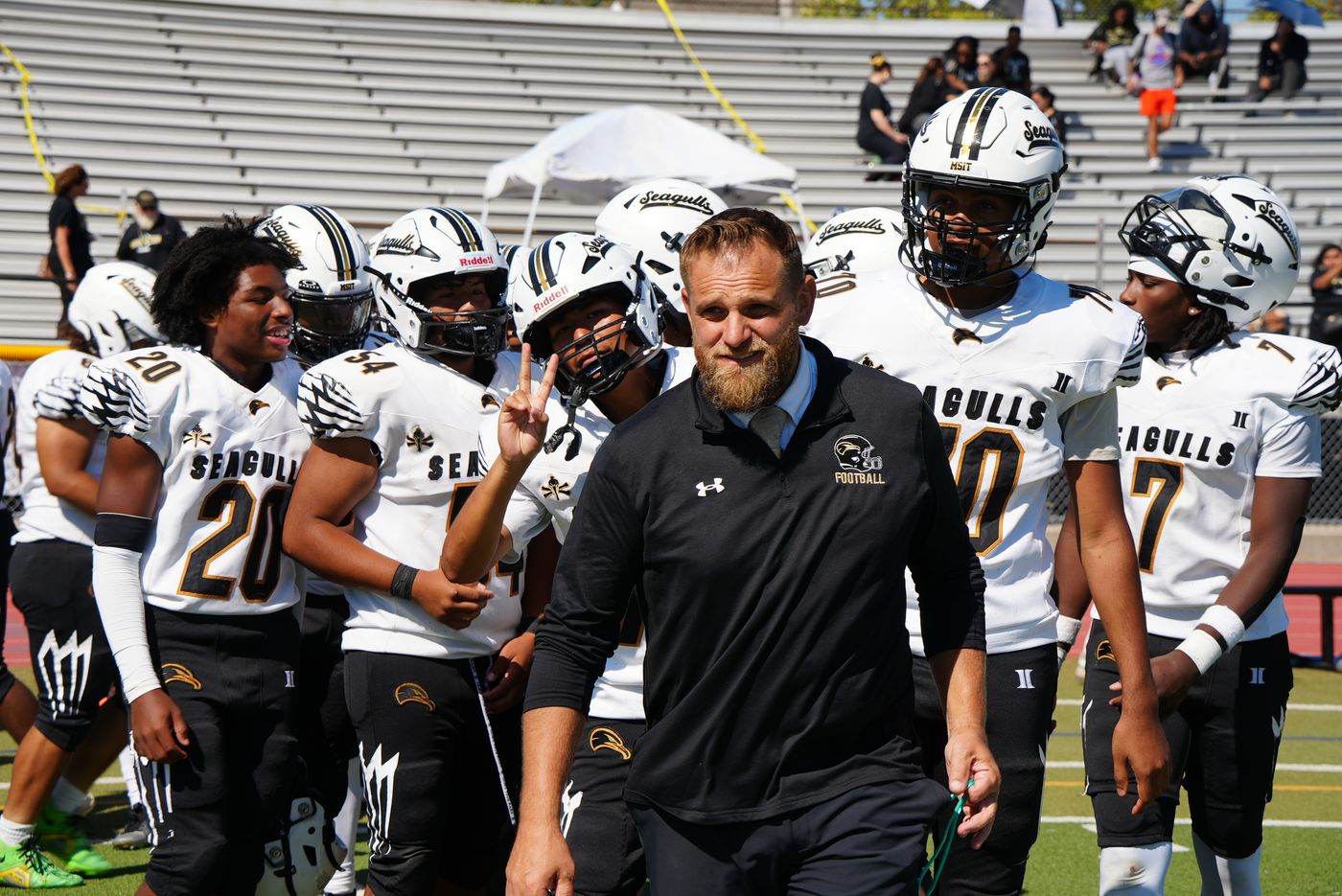
Honestly, I'm only in year six and I'm still building toward that special moment. If I had to pick one, I'd say beating Fort Hamilton in the playoffs, 34-0. They had humbled us at our homecoming, 44-12, and after that game belief was real low. I told the guys it's not how we start, it's how we finish, and that we wanted to be playing our best football at the end of the season. We got to see those guys again and we completely flipped the script.
But I feel like the best days of this program are in front of us. We try not to live in the past. This year has been a lot of fun, and I believe my best moments are coming.
Q5What's a mistake from early in your career that shaped your approach?
I really don't feel like I've made mistakes. I got the job inexperienced, and everything comes at you quick, but in the moment you feel like you're making the best decisions for your program and your team.
Having the power of perspective now, I'd say this: you always have to remain calm under pressure, and the more prepared you are for every variable, the more likely you are to make the right decision. So my advice to young coaches is just take a breath. Think about things before they happen, so that you're prepared while they're happening.
Q6How do you build a locker room that players don't want to leave?
The number one thing is you want the kids excited to come every day. You can't make it a fun thing every day, football is hard work, but if they feel like their work is purposeful and it's translating onto the field, they build accountability with our leadership kids, and they build a respect for the process. I think that's how you really build a team in 2026.
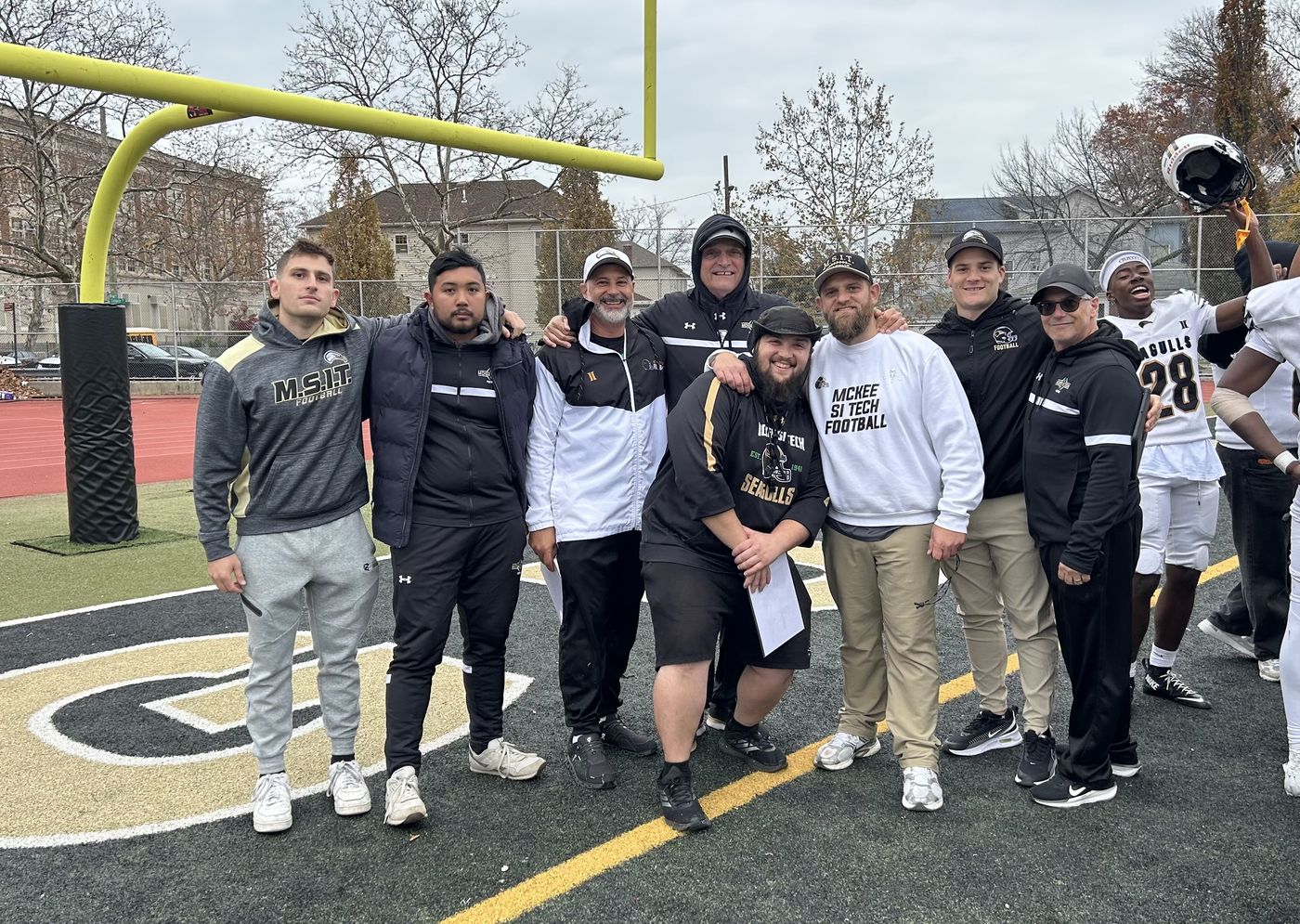
Q7What's a tradition, drill, or pre-game ritual of yours that's non-negotiable?
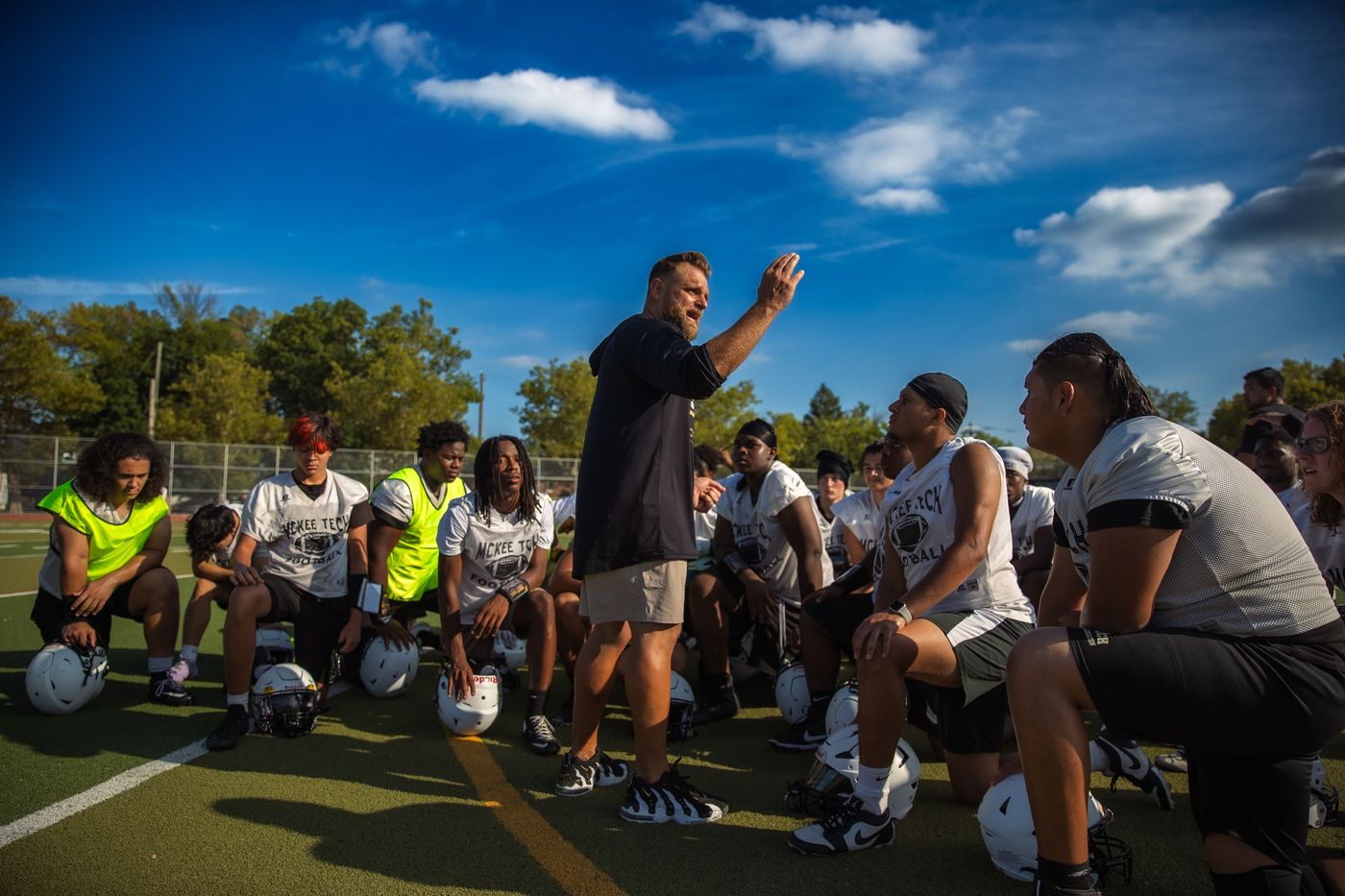
The pregame talk, right before the game. We do our routine, then I bring them in and I try to talk quick and to the point: controlling your breathing, positive visualization, positive reflection and self-talk. That's a non-negotiable.
Before we go out there we take a couple of moments of silence. Then I tell them: eyes up, eyes on me, three things we're going to do great today. And we hit that field with a positive, relentless attitude.
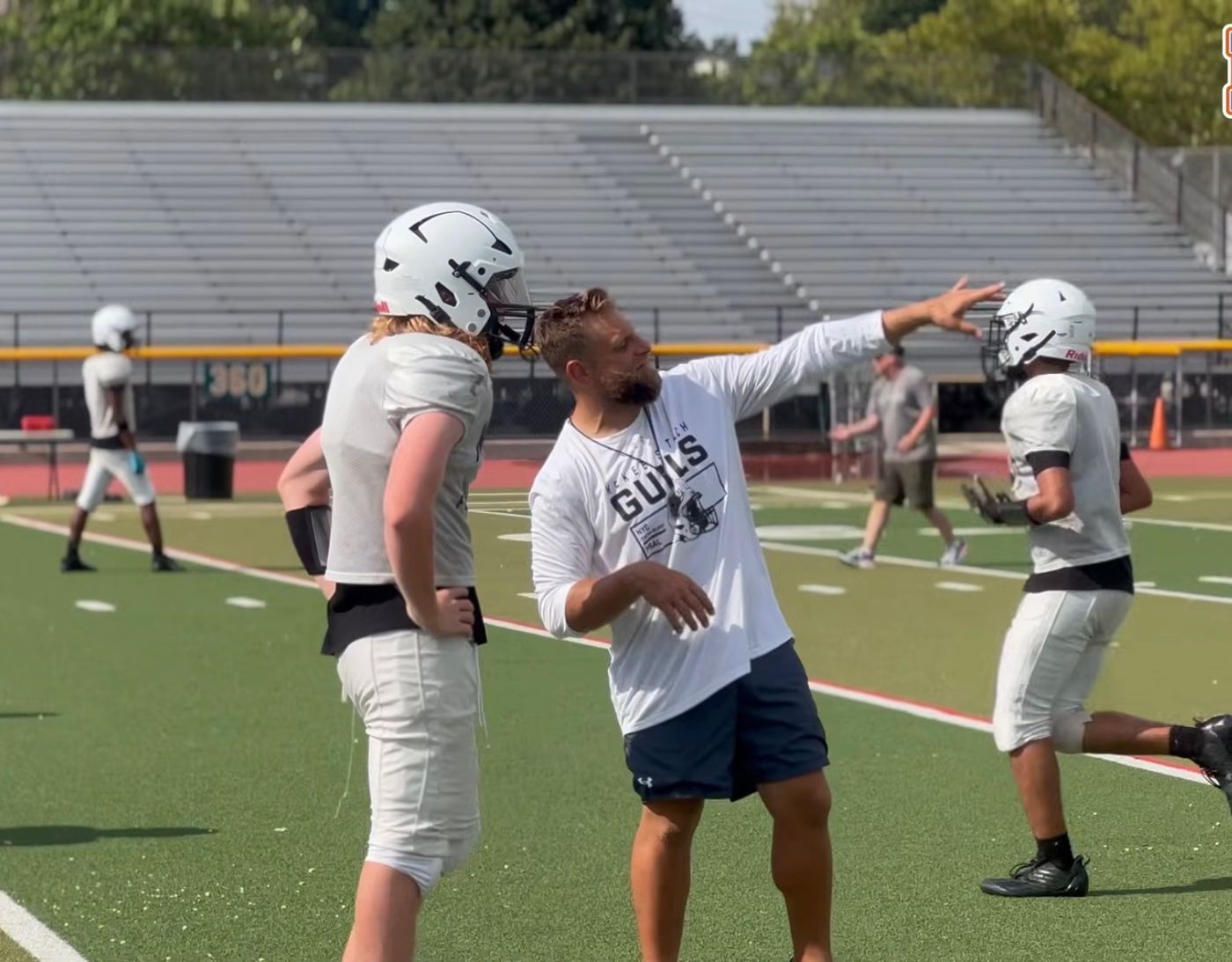
Q8Beyond Xs and Os, what do you most want your players carrying with them when they leave you?
I want them to be elite men. Football is the greatest functional tool for life. It teaches you how to react in tough times and in times of adversity. My biggest hope is that these kids become well-rounded young men: athletically, academically, socially, and spiritually.
I want them using the things we teach them through football to be positive young men when they become fathers, when they become husbands, when they're put in positions of leadership. I hope and pray that my guys go through our program and end up as CEOs, or running a business, or getting up to speak in front of a crowd. That's where I want to be judged as a coach: what happens ten years down the line. Are they ping-ponging through life, or are they in positions of leadership where, like me, they come in every day and report to a big group that's counting on them to set a plan and execute goals?
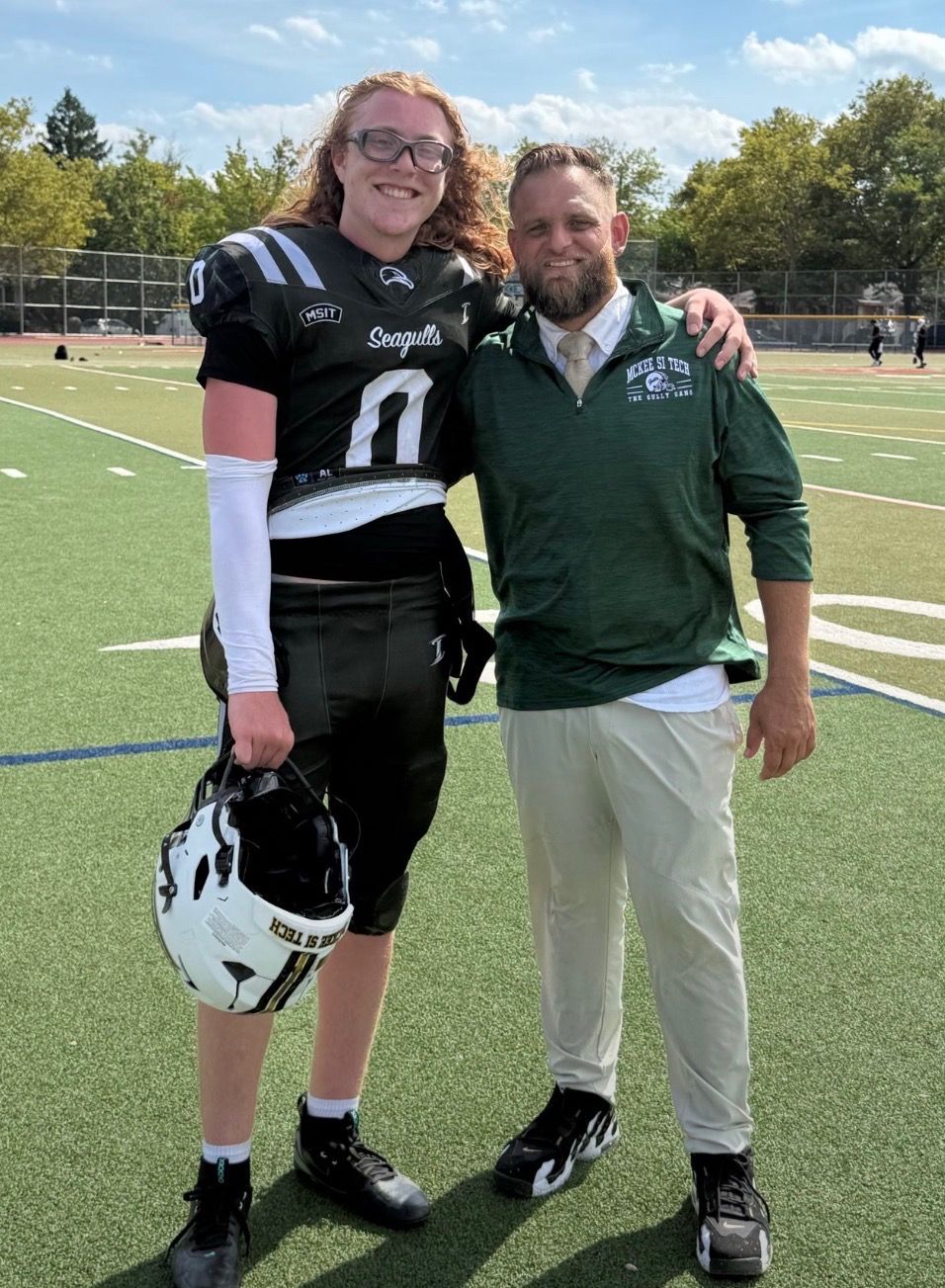
Q9What's a key part of coaching that nobody sees?
What happens after 8 o'clock. I'll get calls from players and parents, and it's everything besides football. A kid going through his first breakup. A kid dealing with tragedy or adversity, whether it's with his parents or his family. Sometimes you have to step away from your own family, or you're out somewhere and you have to stop everything to console a kid or help him through a crisis. Nobody sees that.
That's the biggest part of the job: being on call for your kids. You want them to give 110 percent on the field, so when they call you in the middle of the night, you answer that phone and give them 110 percent of your attention.
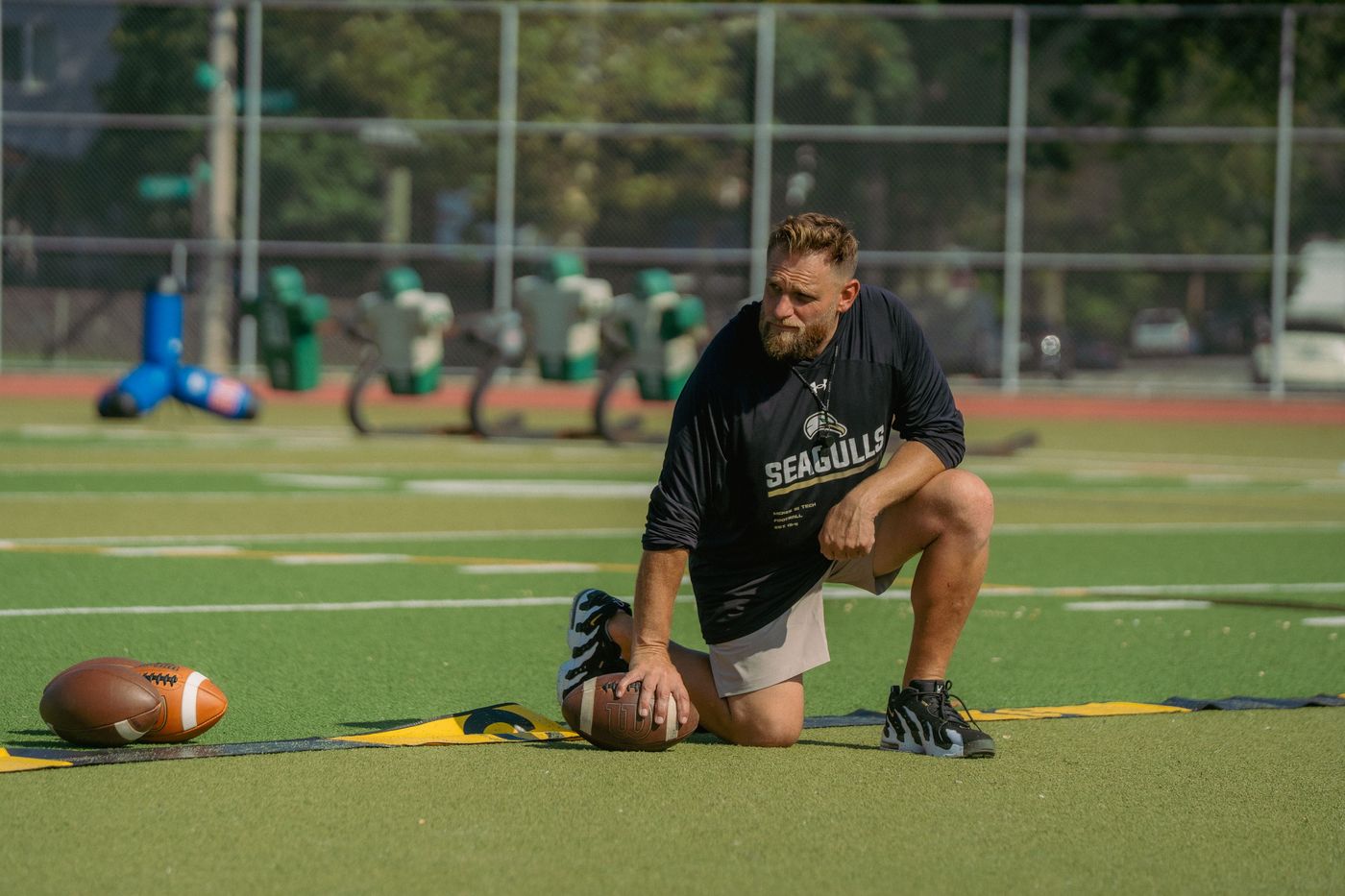
Q10What advice would you give a coach who just landed their first coaching job?
Don't take yourself too seriously.
Things are going to go sideways. You're going to have a plan, you're going to know exactly what to say, you're going to be dressed right and you're going to hit that field at 110 miles an hour. And then a kid forgets his mouthpiece, or a coach forgets his practice script. You're dealing with high school kids and with situations that are sometimes out of your control. So you breathe, you smile some things off, and you have a next-play mentality, the same one you ask of your kids. You adapt, and you're unflappable. Nothing fazes you.