1st and 10: Garrett Lucas
The 2024 Burlington County Coach of the Year, a head coach since he was 24, on the three words Rancocas Valley runs on, a 90-10 rule, and the circle drill his players take into game night.
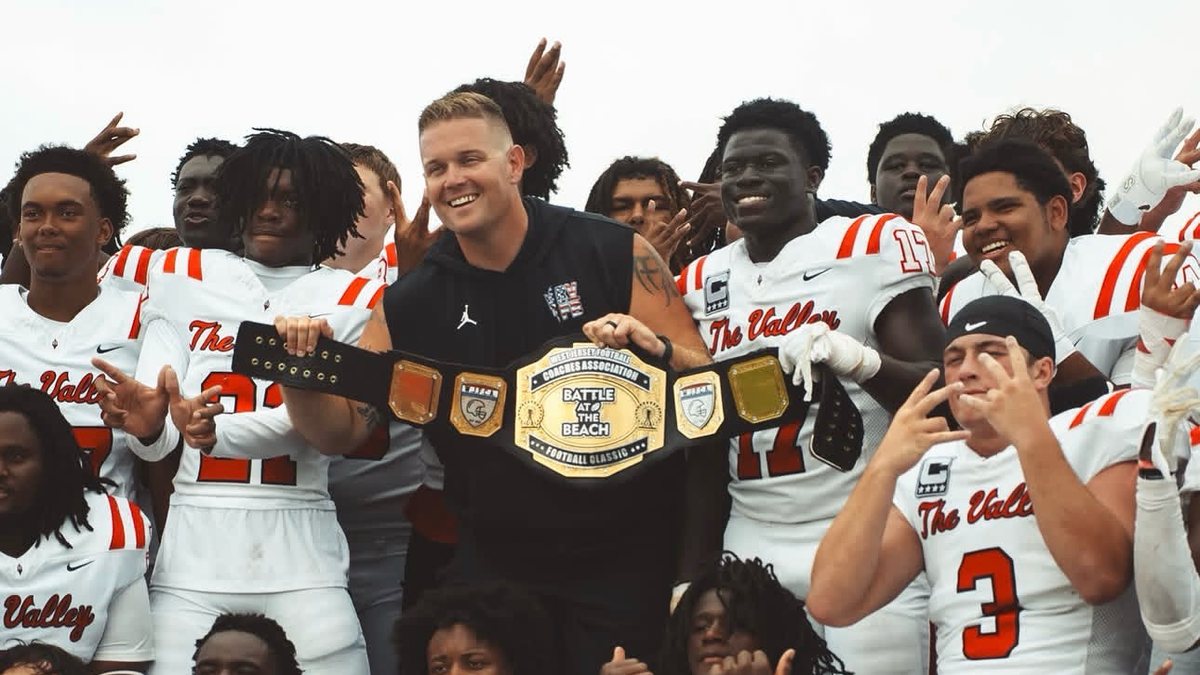
Q1Take us back to the moment you knew coaching was what you wanted to do. What was it?
I grew up in western Pennsylvania, in a small town called Johnstown. My father was the manager at Kmart, which was a big thing back then, and it was in Latrobe. So I spent my childhood going to work with my dad. I'd wait in the food court, and that's where I'd see all the Pittsburgh Steelers. For me, at the time, it was Tommy Maddox, Kordell Stewart, Plaxico Burress, Hines Ward, and then eventually Big Ben, Troy Polamalu, James Harrison, those guys. I'd always go to practice. We developed a relationship with Deshea Townsend, a corner, and he'd always get us on-field passes. I'd watch Bill Cowher, and I was so fascinated and enamored with what he did. That attracted me to football even more.
Then in high school, my head football coach was a history teacher. I remember sitting there as a freshman and a sophomore, and I flat out said, this is exactly what I want to do. I want to be a head football coach one day, and I want to teach history. Ironically, I got hired at Delran at the age of 24, which is very young to become a head coach. It's just the way it worked out. But from 10th grade on, I knew this is exactly what I wanted to do.
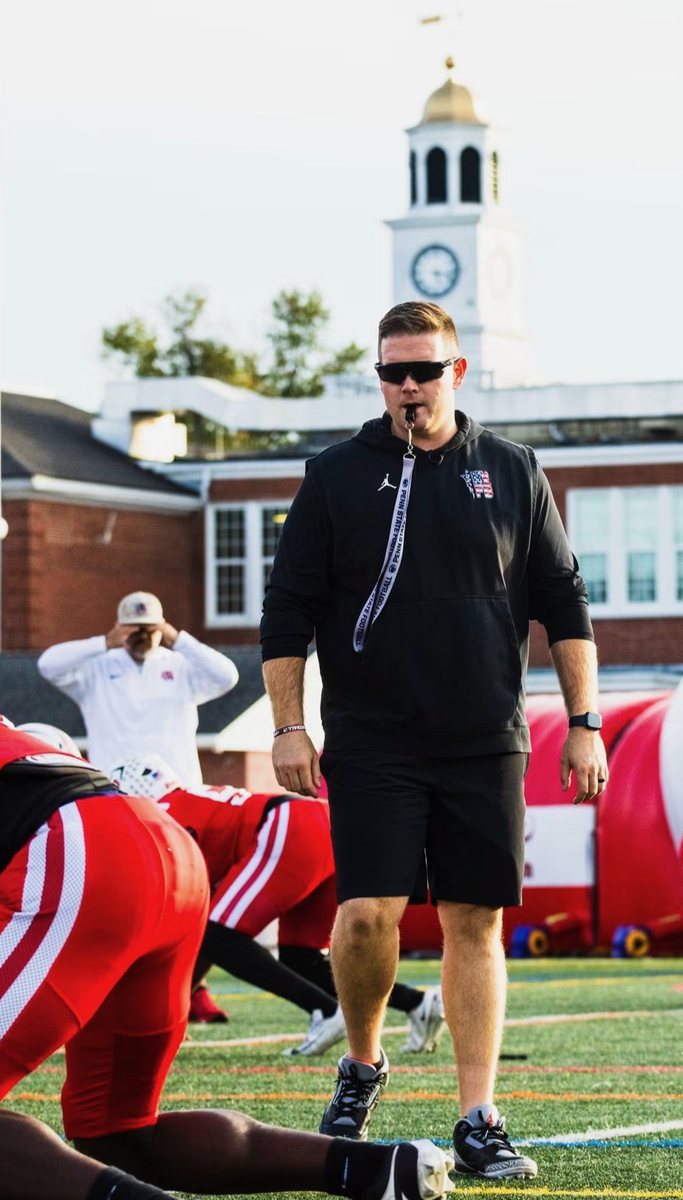
Q2If you had to sum up your coaching philosophy in one sentence, what's that sentence?
Believe, compete, win.
Three words for us. It's a hierarchy. When we came in and established it, back at Delran and now here at Rancocas Valley, you have to learn how to believe in each other. That means believing in the person next to you, at any position you play. But more importantly, you have to believe in yourself. That's how we attack the offseason. It's making the gains in the weight room. When you lift and you become physically fitter and physically stronger, you naturally have a self-confidence about yourself. If I were to take a picture of the body compositions of our players from when they started to what they look like now, the numbers are through the roof. I think that's a part of why we're 11-0 on the season so far and playing for a sectional championship.
That belief leads you to compete. We compete in the weight room, we compete at practice, everything. We set up so many different competitions. At the end of the week in the offseason, we put them in teams and compete. To me, that's how you win. You've got to believe in yourself, you've got to be competitive, and if you fall in love with the process of that, the winning will come.
Q3Who's had the biggest impact on how you've approached your role as a coach?
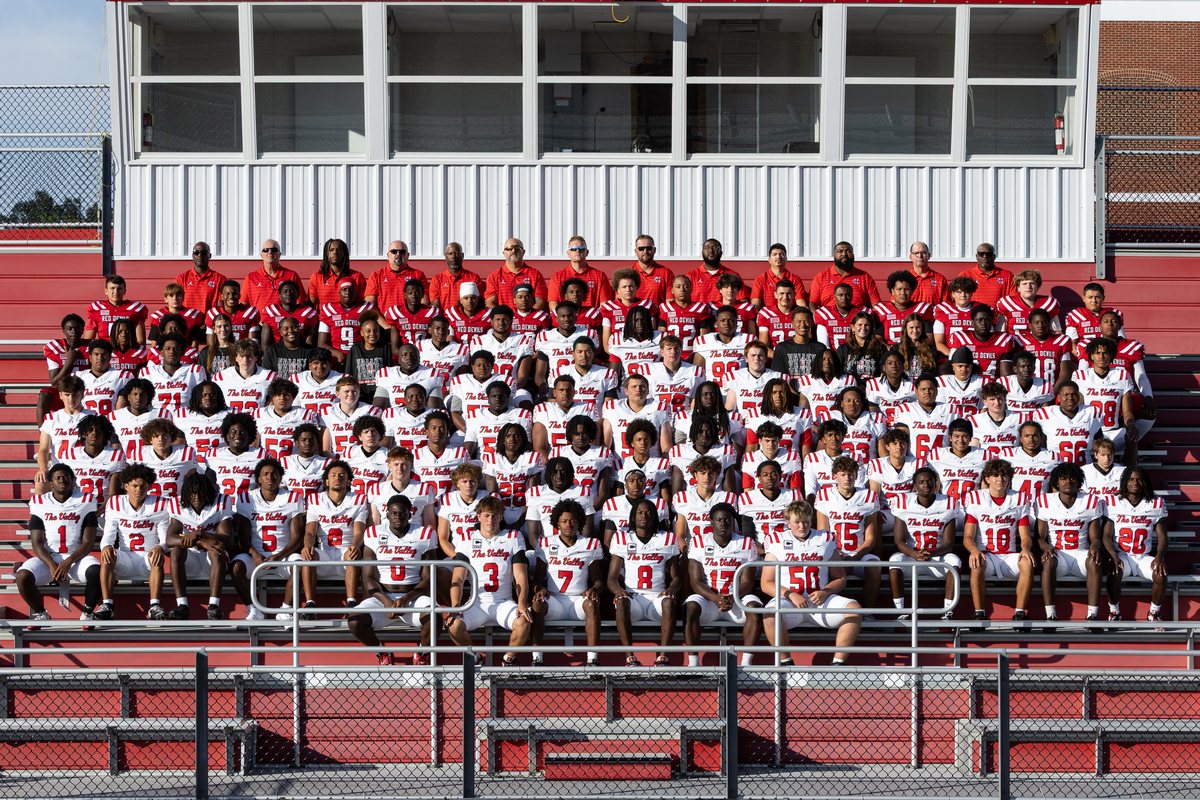
My defensive coordinator, Mike Wallace, and honestly, my offensive coordinator, Dan Harris. I've had Mike with me since day one. This is my ninth year as a head coach, and Dan has been my offensive coordinator now for five years.
When I was younger, I called our offense a couple of times, and I was very aggressive. I was an offensive lineman, so yeah, I want to run the ball. Those two kept me grounded. They've sharpened my toolbox as a coach and made me a better head coach because of it. They're a huge part of our success.
Q4What's the win, season, or single moment that still gives you chills when you think about it?
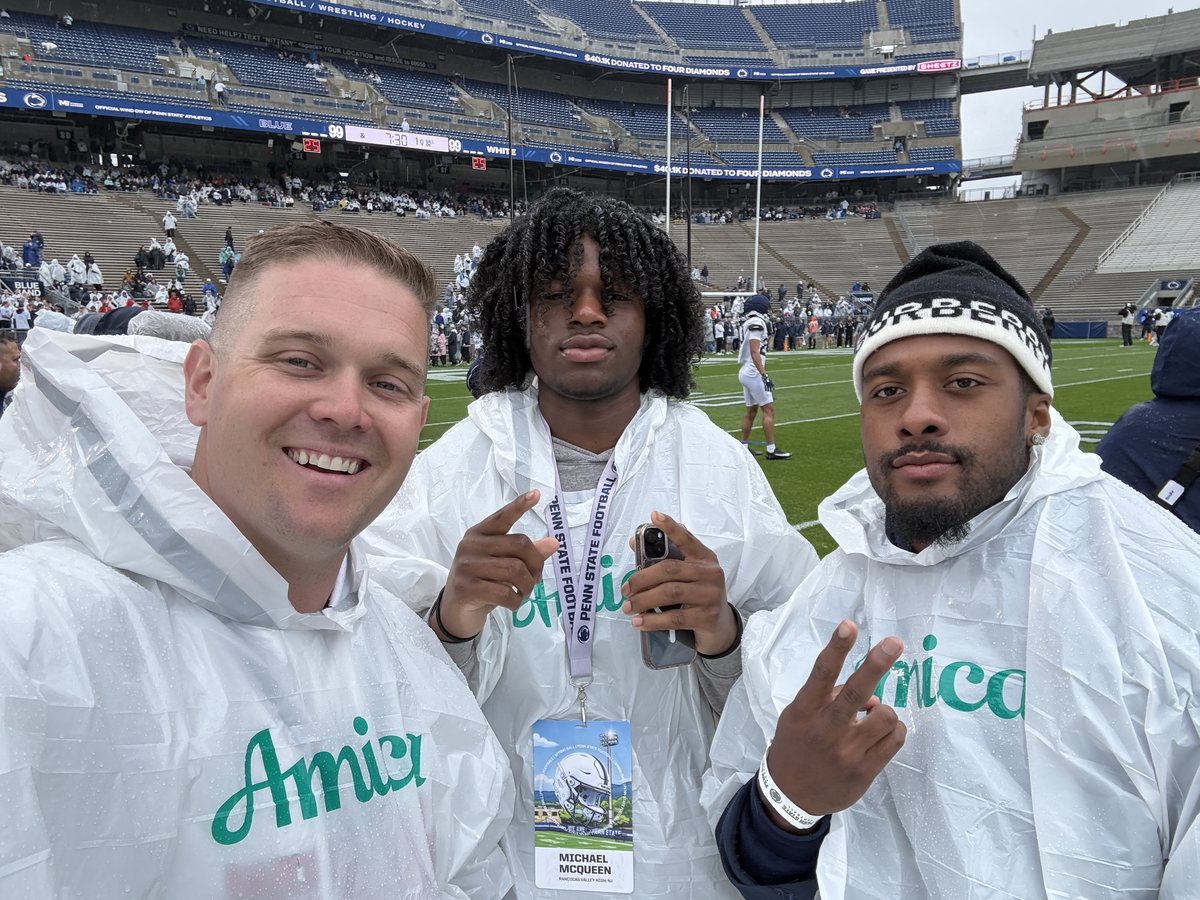
That's hard to reflect on. Since it's so fresh in my mind, I'd say playing Millville this year. We won 21 to 20. We were up 14-nothing and everything was going great, but we struggled in the second half. At the end of the game, Mikey McQueen, who's committed to Syracuse, gets the game-winning interception.
He's a player who wants the ball in his hands, and I think your big players need to show up in big moments. He did that. Obviously it's this year, so it's fresh, but that play will always stick out to me. Him getting that interception and ending the game in a very crucial moment was pretty big.
Q5What's a mistake from early in your career that shaped your approach?
How I coach the players. I was brought up in a very old-school way: yell, yell, yell. I've adopted what I call a 90-10 rule. 90% of the time, I try to praise players. I look for the positives in what they're doing, which allows me to absolutely climb into them when they make a mistake, or more so when it's effort. No matter the level you're coaching, the players are going to make mistakes. Otherwise every team would win a game 110 to 109, because everyone's going to score and everyone's going to be great. To me, it's the effort, and holding kids accountable. That falls in the 10%.
You have to build trust with the players, and that's a part of the 90%: getting to know them, genuinely having good conversations with them, taking an interest in their grades and in the things they do outside of school, outside of football. I think our coaching staff does a great job of that. And that allows the 10%. When you climb into them, they respect it more, because they know you're doing it because you actually care about them.
Q6How do you build a locker room that players don't want to leave?
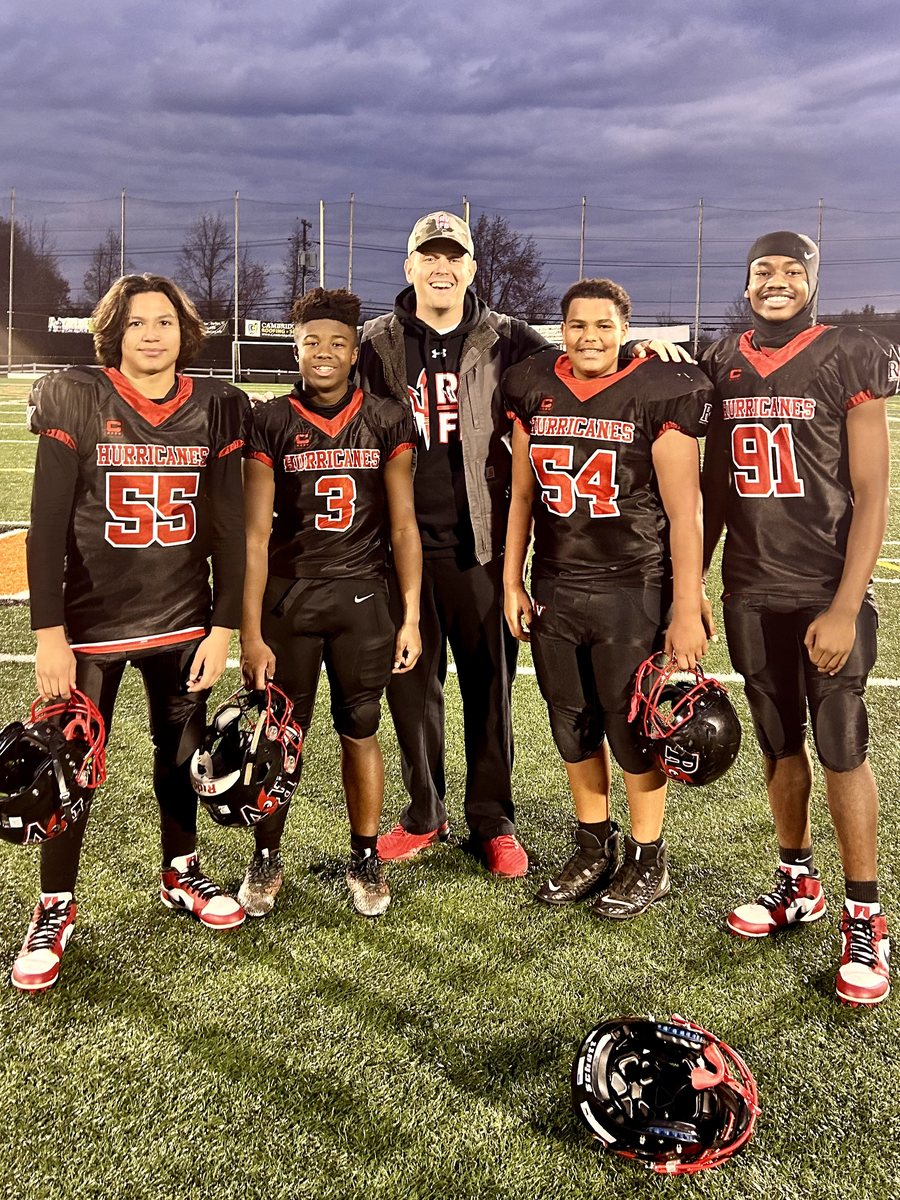
You create a destination, not a vacation. Other programs, other sports in general, to me, they have seasons. We have a program, because we're with each other truly 11 months out of the year. We had pads on starting June 15th, so we've been at this for quite some time.
You make it competitive, and you give your players a purpose every single day. Not, I have to go to practice. The mindset needs to be, I get to go to a Rancocas Valley football practice. And that should mean something, because you're coming to a place where the coaches are going to coach you hard, they're going to expect the best, and they're going to hold you to a standard. To me, that's teaching life lessons. It's teaching these guys how to become great husbands and fathers one day.
Q7What's a tradition, drill, or pre-game ritual of yours that's non-negotiable?
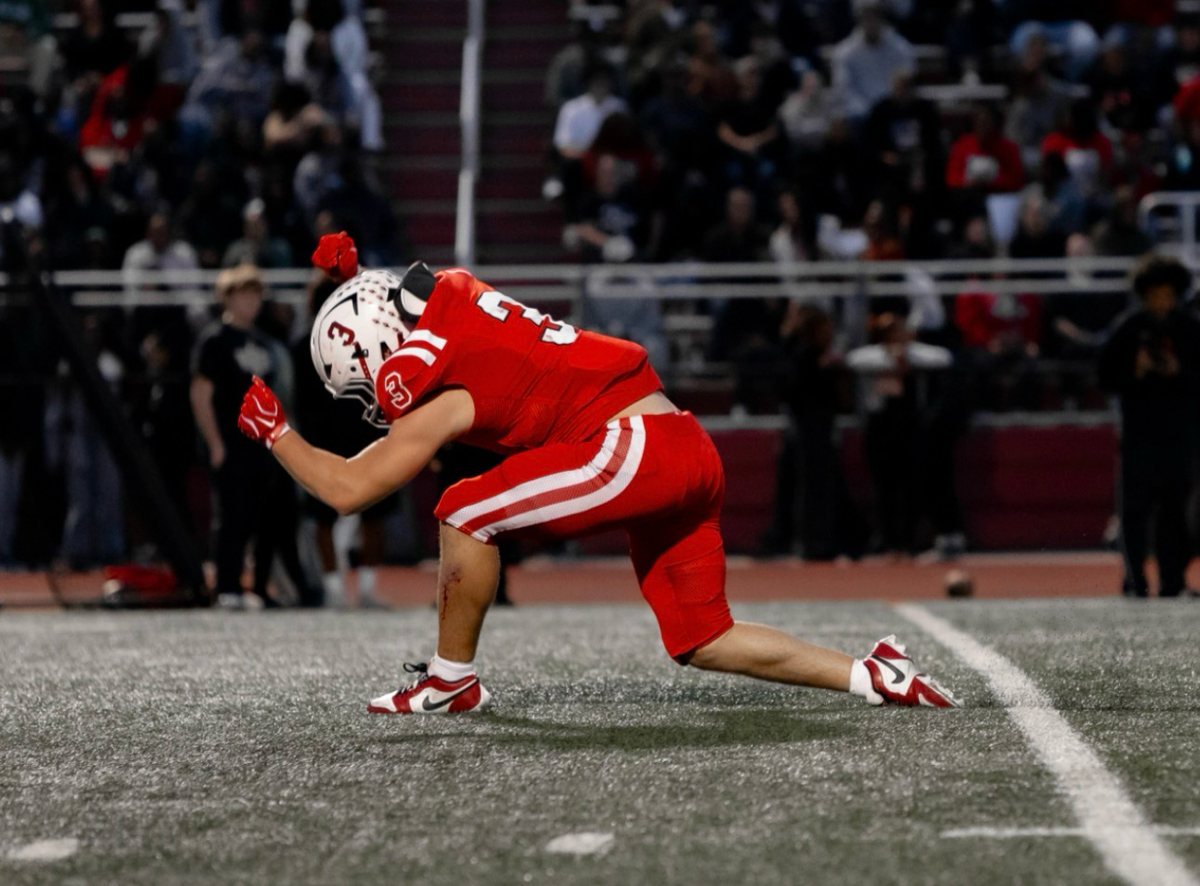
Our circle drill, the pride drill. I got this from James Franklin at Penn State. Two guys are in the circle. Have you ever seen the movie Troy? How they try to settle the war by sending their two best warriors out? We do that. It's our best offensive lineman against our best defensive lineman, our best receiver against our best corner. It's a fit drill. They can't torque or twist each other. They're just trying to replace their hands, drive on their insteps, and see who's physically stronger and mentally tougher, who can last until the other person is pushed out of the circle or pancaked.
We've done that for probably six years of my career. Two years ago, the players came to me and said, Coach, why don't we do this before a game? That way it gets everybody juiced up. So that became a tradition. We start every practice with it too, because it can also squash beef. If you've got a corner who thinks he's better than a receiver, all right, you'll get the one-on-ones, the seven-on-seven, the skelly, the team period. But let's see who's tougher for this 15-second burst.
Q8Beyond Xs and Os, what do you most want your players carrying with them when they leave you?
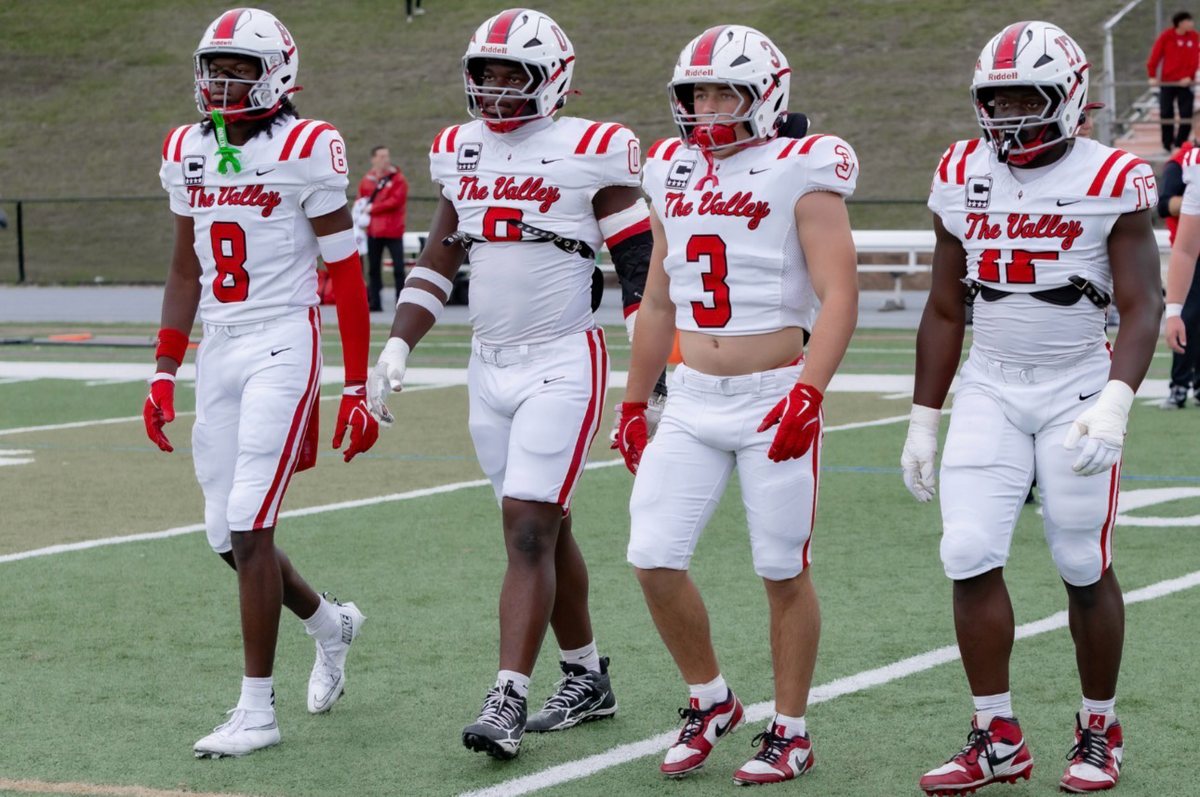
Honestly, a sense of purpose. What are you doing to serve others? As a head coach, you can see how these things carry. I get a lot of compliments from college coaches, because our kids are so ready to step into a college program with how we run practice and the way we transition. We transition fast. We don't waste a lot of time in practice. So I think that sense of accountability is huge.
I give them life lessons. Guys, you're waking up for practice during the summer, and you have to be here at 6:30. When you're 28, and you and your wife decide you want to have a baby, and you have to be at work at 6 o'clock in the morning, but your baby wakes up sick at 1 o'clock in the morning, now your sleep gets compromised. But it's what you have to do. You have to be there for your wife. You have to be there for your son or your daughter. I think these young men learning these life lessons will set them up for success down the road.
Q9What's a key part of coaching that nobody sees?
The time. Everybody looks at playing time, parents and sometimes players. But to me, it's falling in love with the process, and those who aren't process-oriented naturally fall behind. If you don't fall in love with the process of the weight room, this is not the place for you. The same goes for the progression of practice. We're going to show it to you beforehand. We're going to walk through it in pre-practice. We're going to drill it in indy. We're going to get in small pods and execute it, then we're going to get to team, and then it carries over to the game. To me, that's the process. If you don't fall in love with that, you're going to get caught behind, and others will surpass you.
People don't understand that you have to commit a lot of time to this. They want to see the microwavable results. We're a slow cooker. We're smoking a meat for eight hours. It's low and slow, and you've got to take the time. And I don't think they see the time the coaches put into it. We're constantly talking with each other, in meetings, being prepared for every five minutes of practice. It's a grind, but we do it because we love the kids and we love what we do.
Q10What advice would you give a coach who just landed their first coaching job?
Whatever you say you're going to do, you better do it, in terms of holding your kids accountable. I see it with too many coaches, especially with their better players. If a kid's coming late, you better address it. If a kid is not wearing what he should be wearing, you better address it. Once you let those things slip, they become cancerous in your locker room, and you're going to be in a struggle down the road.
To me, it shows up in games. If you let the small details go early on with these kids, it could jeopardize your season in a big moment, because a kid's natural habit will be to revert back to doing what he wants to do, not what is best for the team. So whatever standards you create from day one, carry them. Make sure you're following through. Sometimes you have to do that with your best players. You could have guys going to big-time schools, but if you don't address them, why would a kid who's third-string JV think he should be held accountable if the best player is not?