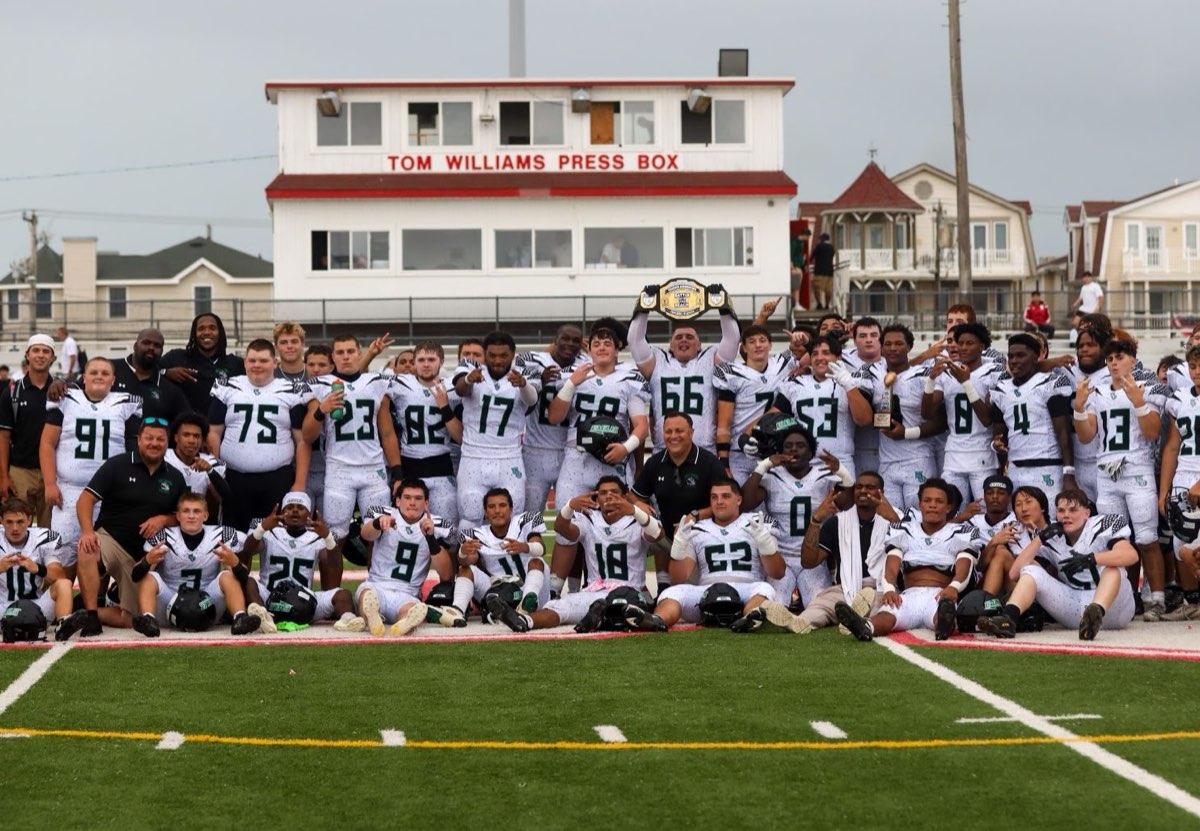
1st and 10: John Emel
A 23-year South Jersey coach who took Penns Grove to the first 13-0 season in South Jersey history, and now runs West Deptford, where he once coached under Clyde Folsom.
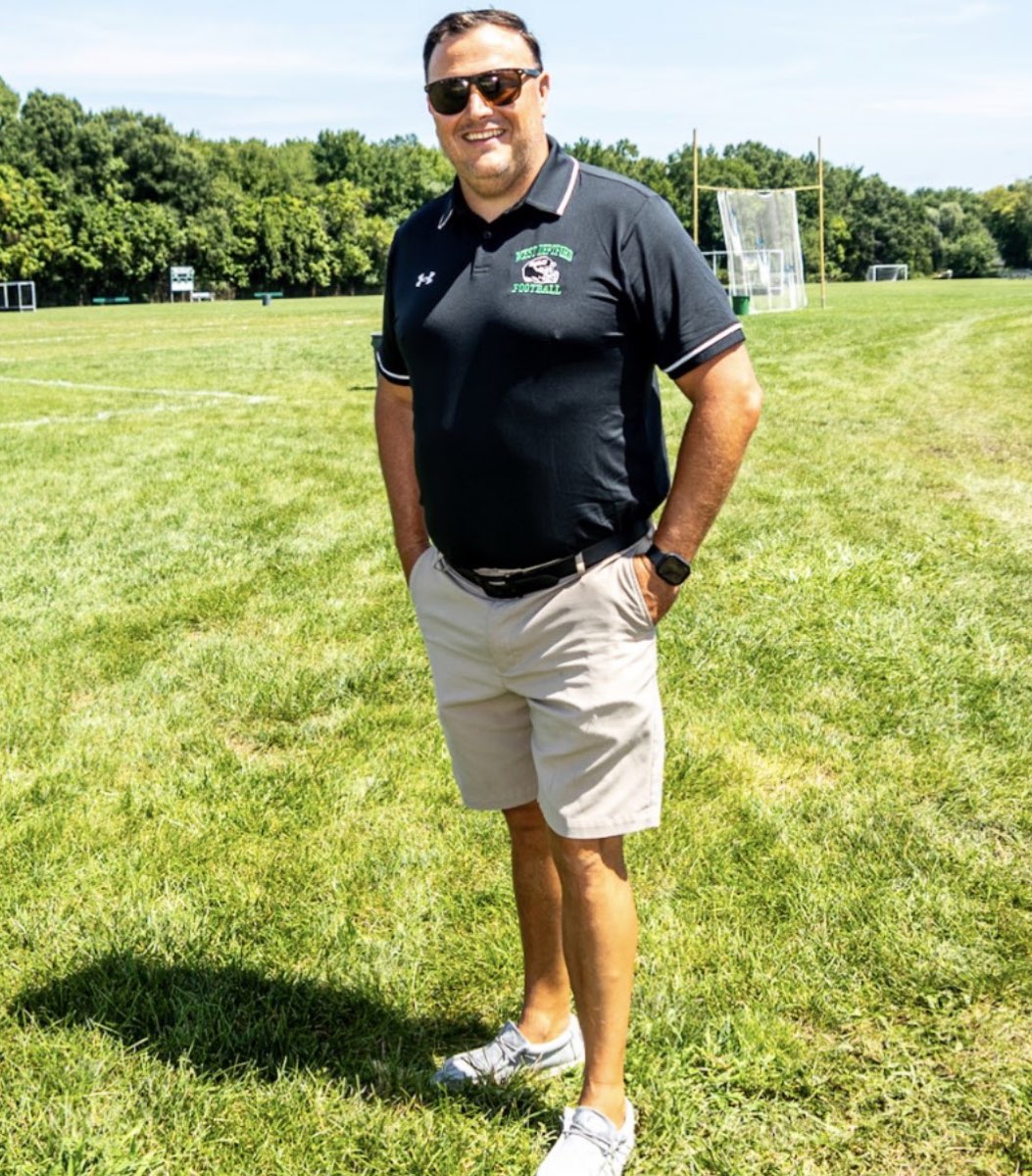
Q1Take us back to the moment you knew coaching was what you wanted to do. What was it?
I just enjoyed playing the game. I knew I couldn't play forever, nobody can, but I wanted to be involved with the game as long as possible, and when you're done playing, that has to be in the role of a coach.
And I enjoy being around young people. High school student-athletes, to me, it's an enjoyable experience. Every day is a little bit different, in a positive way. Being able to mentor young people before they've developed into adulthood and who they're going to be is what excites me about this position. And then it's through the sport of football, which I love. That's really why I do it.
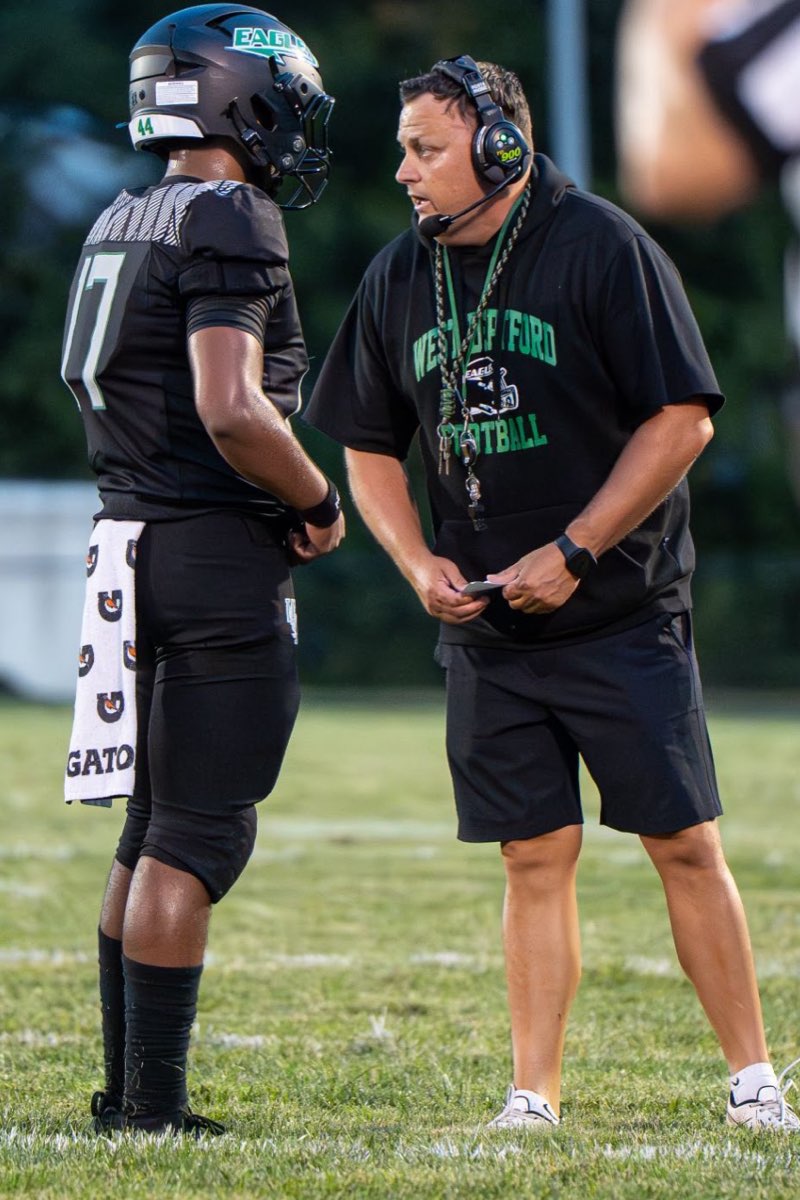
Q2If you had to sum up your coaching philosophy in one sentence, what's that sentence?
Put guys in a position to be successful.
Figure out everybody's strength and try to make them a little bit better. You coach a variety of talent. Some guys are very good and have a high ceiling. Other guys are playing for different reasons. Whatever their ability is, try to make them a better player and put them in a position to be successful.
Q3Who's had the biggest impact on how you've approached your role as a coach?
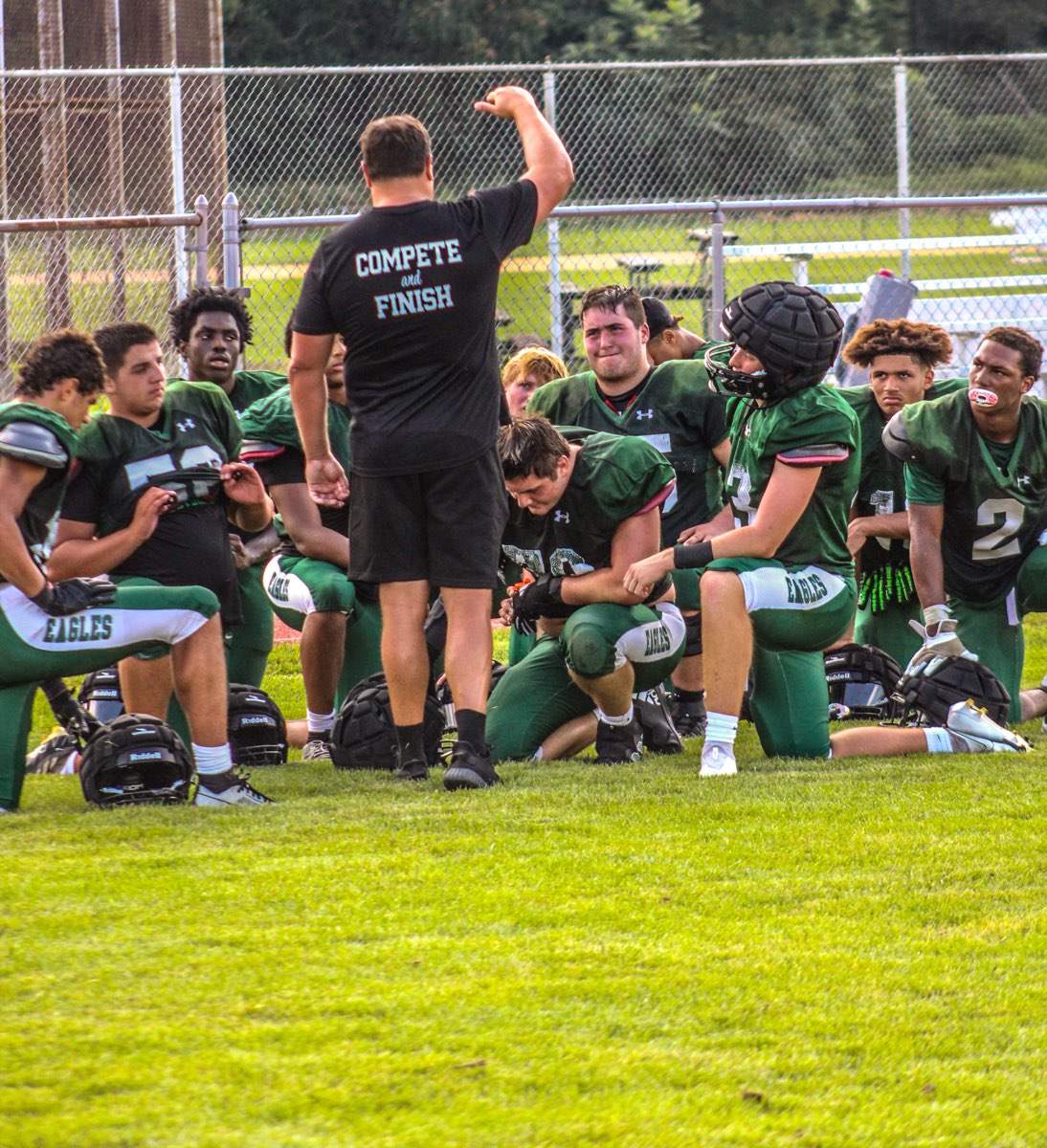
Probably the guys I had as coaches, the ones I gravitated towards, and the guys I've worked under. Coach Folsom, who was the head coach here from 1991 to 2017, has been a real positive influence on me.
Something he did, and some other guys have done, is make it enjoyable day to day, even for the guys who maybe aren't the great players. It's easy to coach really talented kids. It's not always easy to coach guys football doesn't come naturally to, but who enjoy being a part of the program. In every decision I make, I try to make it a good experience for all the players. He did that, and the guys I remember as great coaches and role models did that. They made it fun and rewarding. It's not always easy, but it was rewarding, and it was fun to be a part of.
Q4What's the win, season, or single moment that still gives you chills when you think about it?
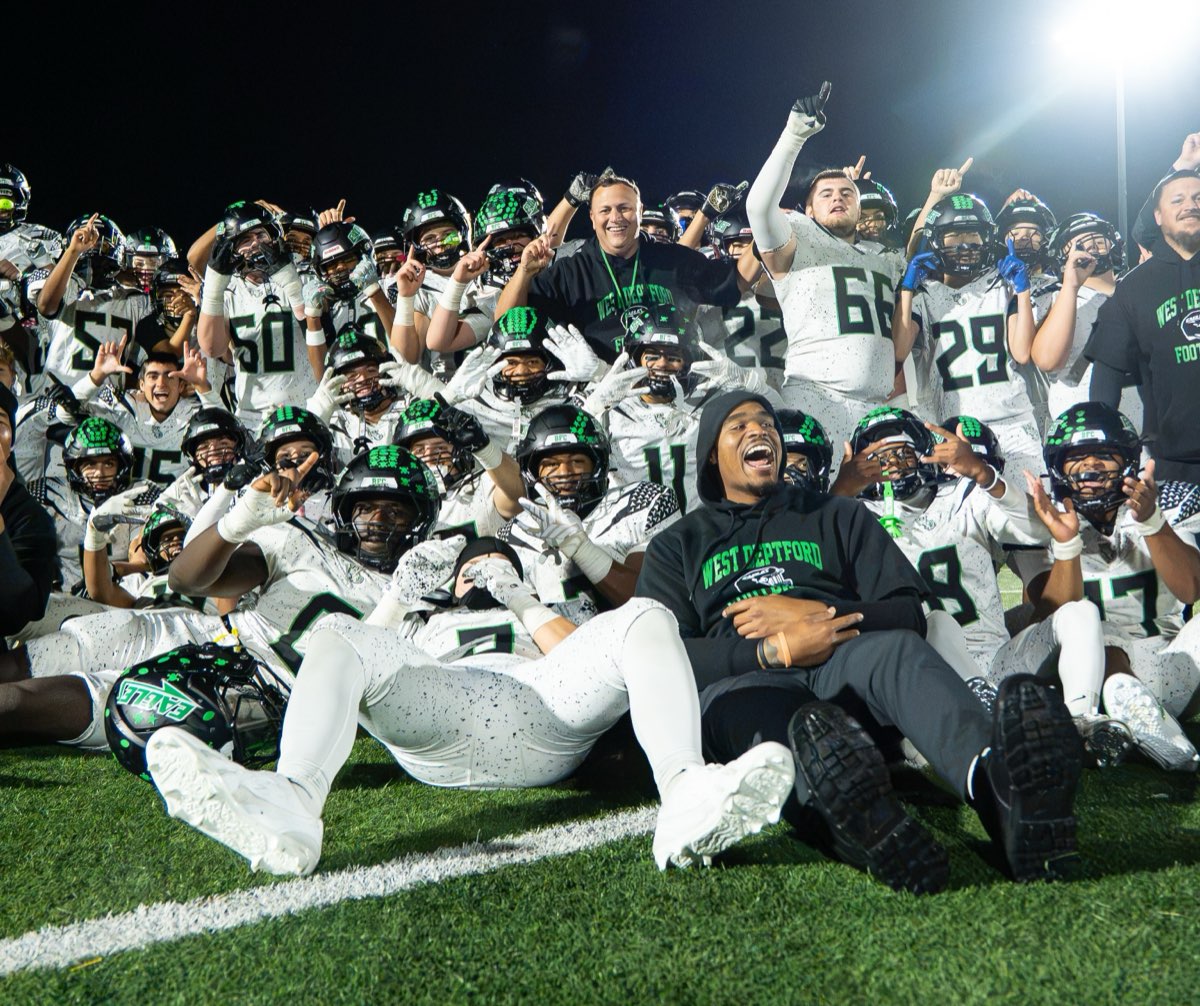
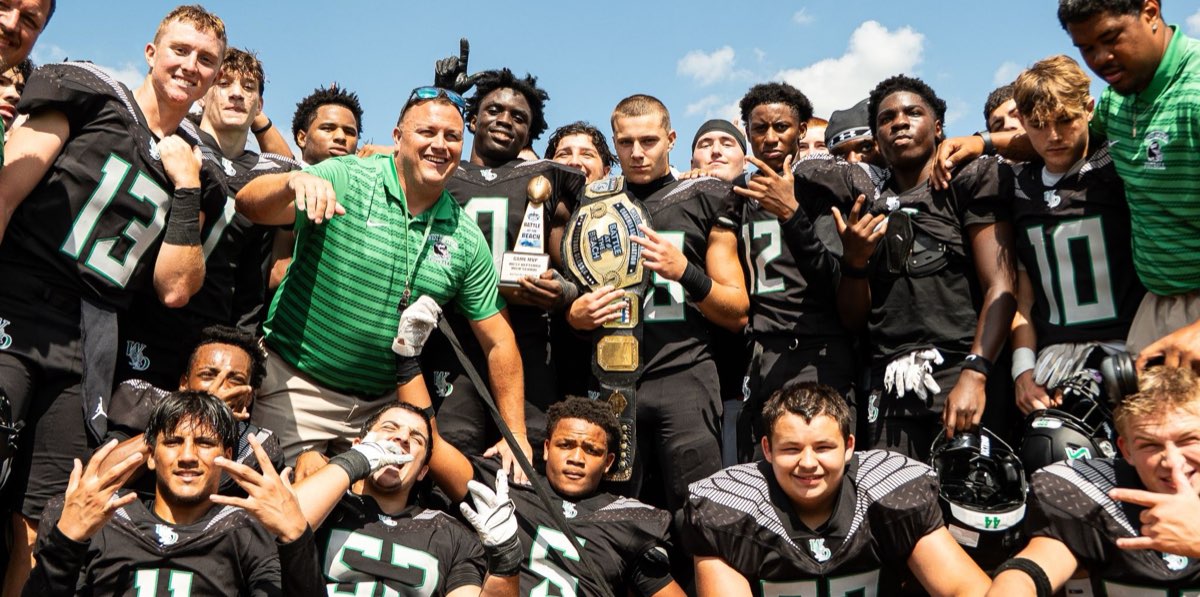
I don't know about chills. But when you look back and you've ended seasons with championships, and you've been undefeated, those are the kinds of goals you set and then realize are probably not going to happen. I've been a part of some really good teams that didn't finish the season undefeated. Anytime you finish a season with a championship, you think, man, how did we accomplish that? When you set those goals beforehand they seem lofty, maybe even unattainable. So there's a great sense of accomplishment when the season's over and you look back.
Even this year. We're 10-0, and I knew we had the ability to do it, but still being able to do it every week, and seeing the confidence grow in the players, has been satisfying. And you're always looking forward to the next game. Win or lose, the focus has to be on the next game and getting better.
Q5What's a mistake from early in your career that shaped your approach?
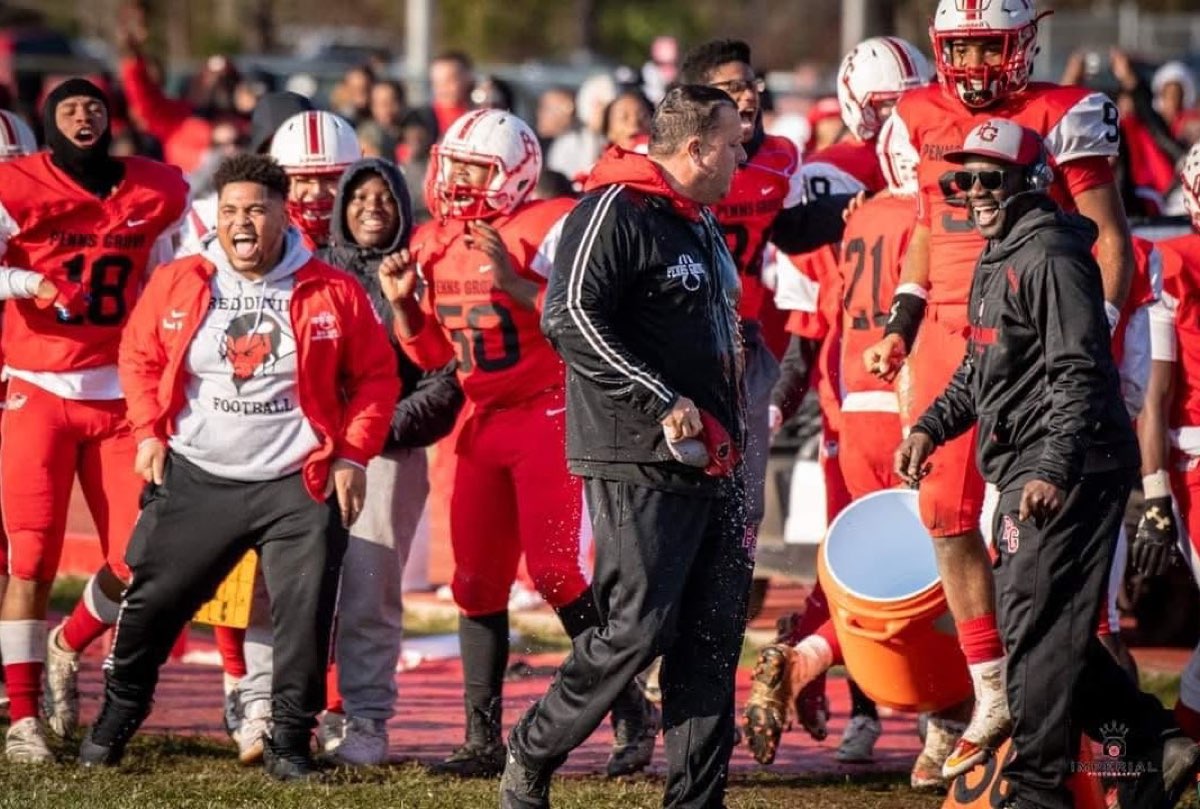
You just mature. I've gotten a little more conservative in some of my play calling and game planning. When I was younger, you try to outcoach everybody, or you feel like doing the things you do well isn't enough to beat a good team. Stay with the things that got you where you are and try not to beat yourself. I think a lot of people lose games more than they win games. Protect the ball, play a style that forces the other team to be aggressive, don't take chances when you don't need to, manage the unnecessary risk.
If I had done some of those things better early in my career, I would have won a few more games. But that's the learning curve of being a coach. I like the kind of football we play now. I know I'm a better coach than I was last year, and I've tried to get a little better every year.
Q6How do you build a locker room that players don't want to leave?
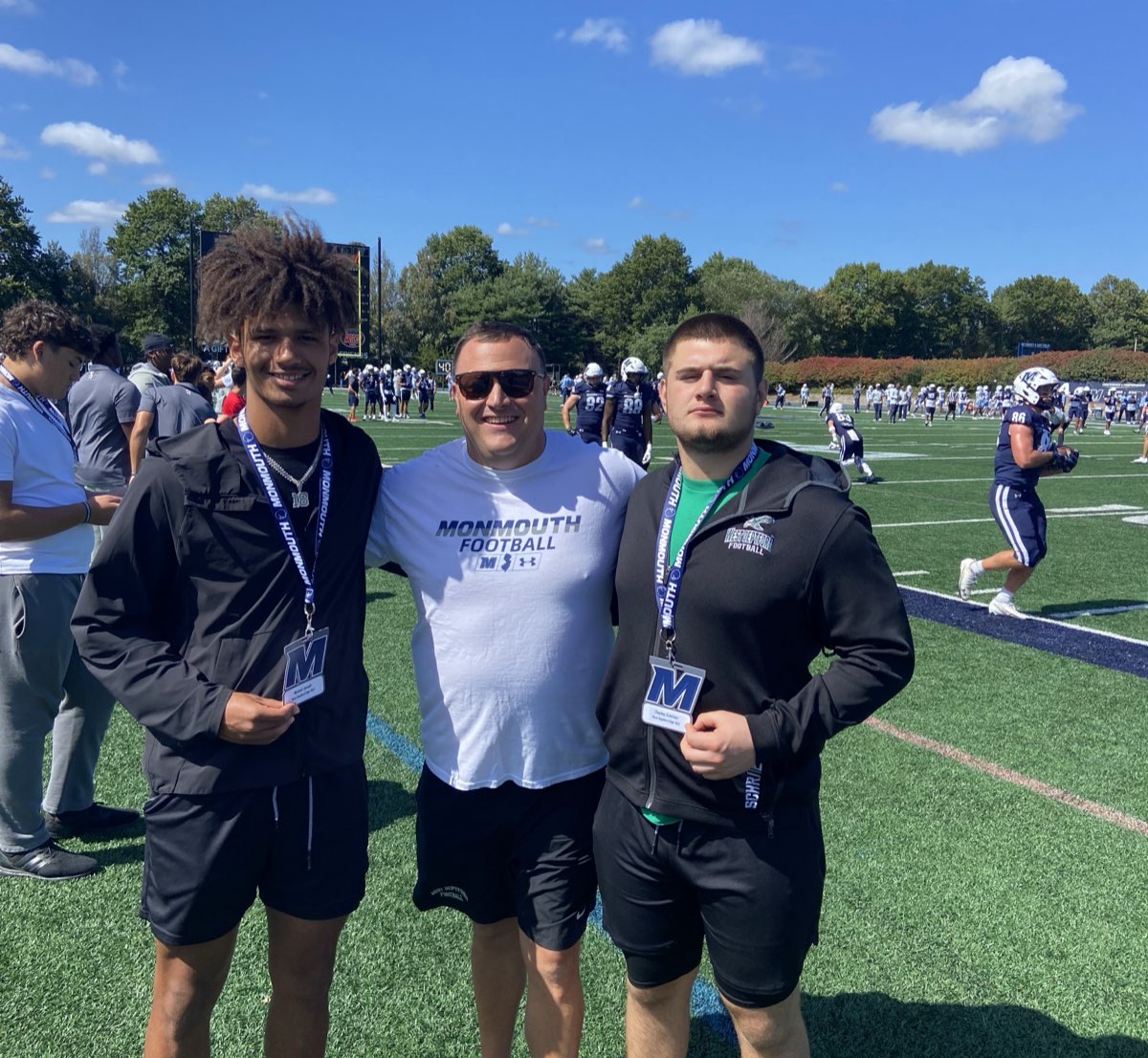
You make it enjoyable. You get them to work hard, but everything outside of that, you support them and have a good relationship with them. I feel like I have a good relationship with our players. You manage the highs and lows. They're not going to be great every day. They're human beings, and they have other distractions.
Try not to give them too much outside of the three to four hours a day you have their undivided attention. Get the most out of the time you're together, and realize that when they leave here, they have other things going on. Don't overwhelm them with obligations or expectations outside of when they're here. If you support them and love them, they'll appreciate it, and it'll be the kind of place they don't want to leave. They'll appreciate these memories when they look back.
Q7What's a tradition, drill, or pre-game ritual of yours that's non-negotiable?
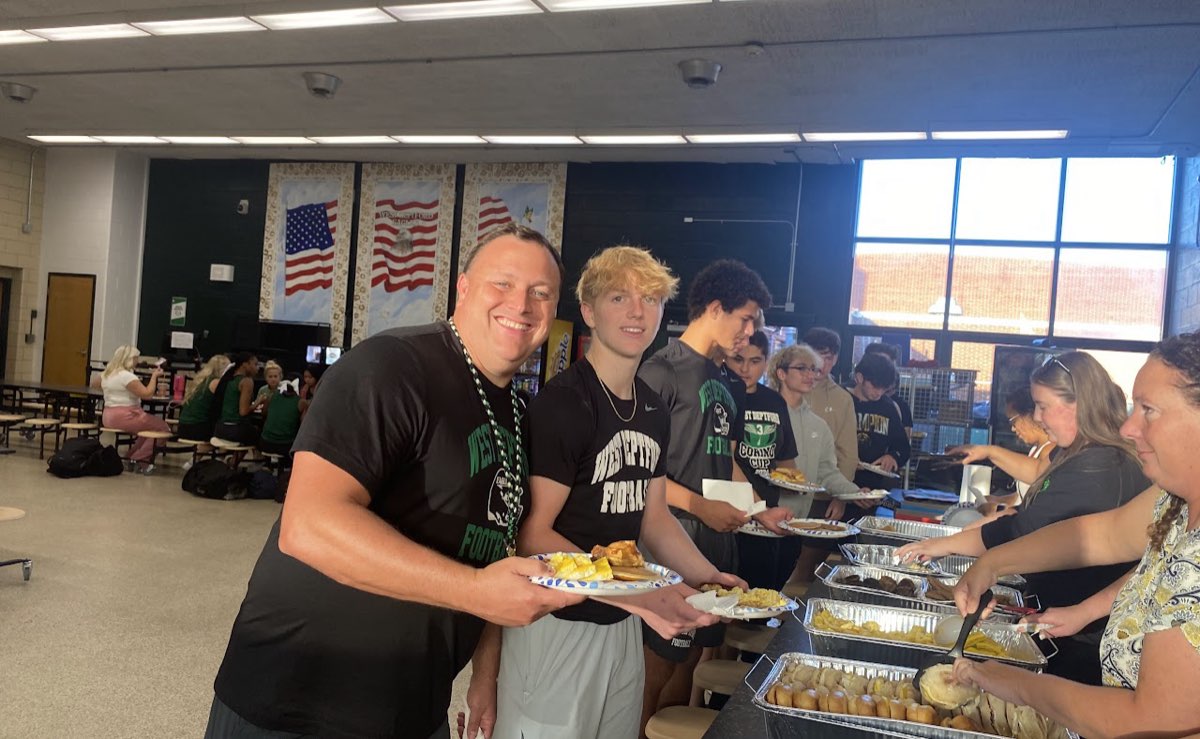
I don't need a lot of time before the game. You do your dynamic warmups and your pregame routines, and I have the same routine every week. I come in real relaxed, I use the bathroom, maybe get a swig of Gatorade, we pray, and then we're outside. Pee, pray, and we're ready to go play ball.
A couple of hours before the game, I like to take a nap. Relax, decompress. Within 24 hours of the game you should feel confident in the game plan, so there's not a lot left to do. I think back to the stories I've heard about Tom Brady before his first Super Bowl. They had the extended pregame and the extended halftime, and he was sleeping in his locker 15 minutes before they went outside. If you can get yourself to a place where you can relax enough to sleep, or rest, then you should feel confident in your ability to go out there and play.
Q8Beyond Xs and Os, what do you most want your players carrying with them when they leave you?
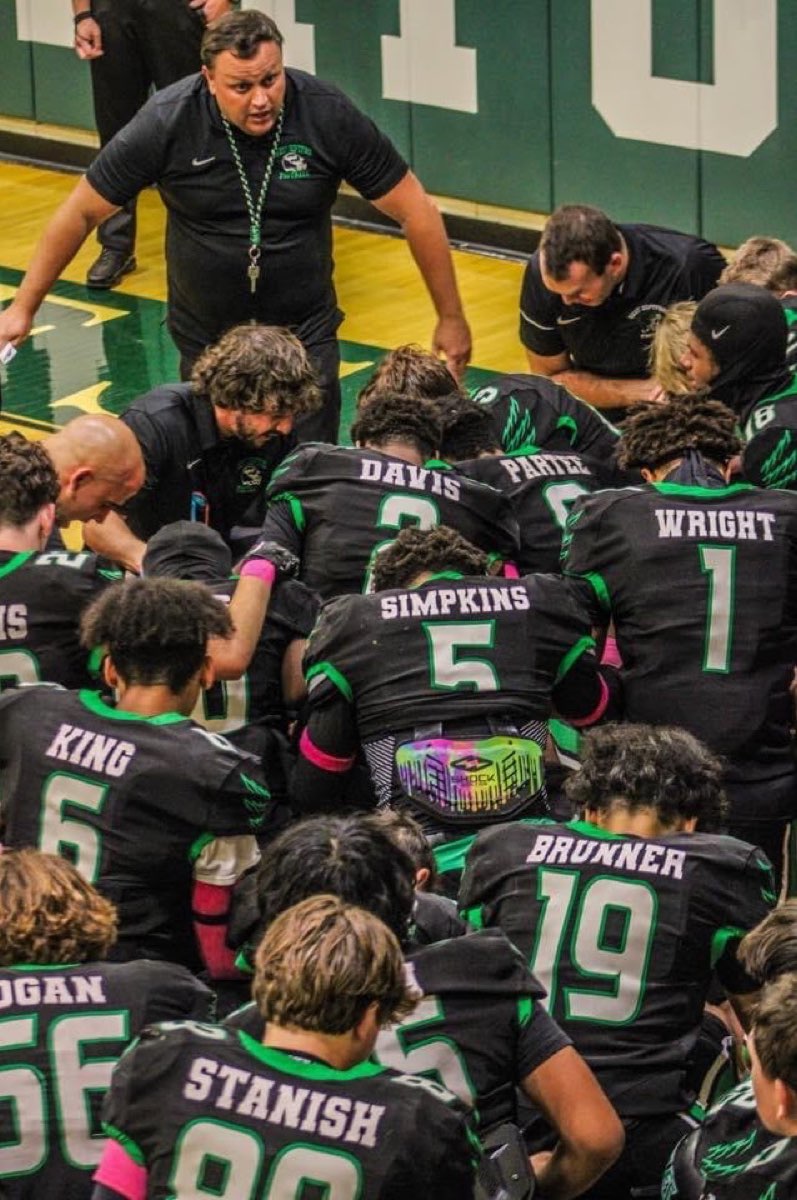
Hard work pays off. If you invest in something, and in each other, and you work hard, then in life you've got a chance to be successful. It's not just about football. It's about being a good father, a good brother and son. If you're a police officer or you're in the business world, if you have a good work ethic and approach things with ethics, you've got a chance to be successful, because those are the ways you accomplish things.
In football, the team aspect is huge. It's a team game. If you can develop those attributes and the team aspect, you've got a chance to be successful in everything you do.
Q9What's a key part of coaching that nobody sees?
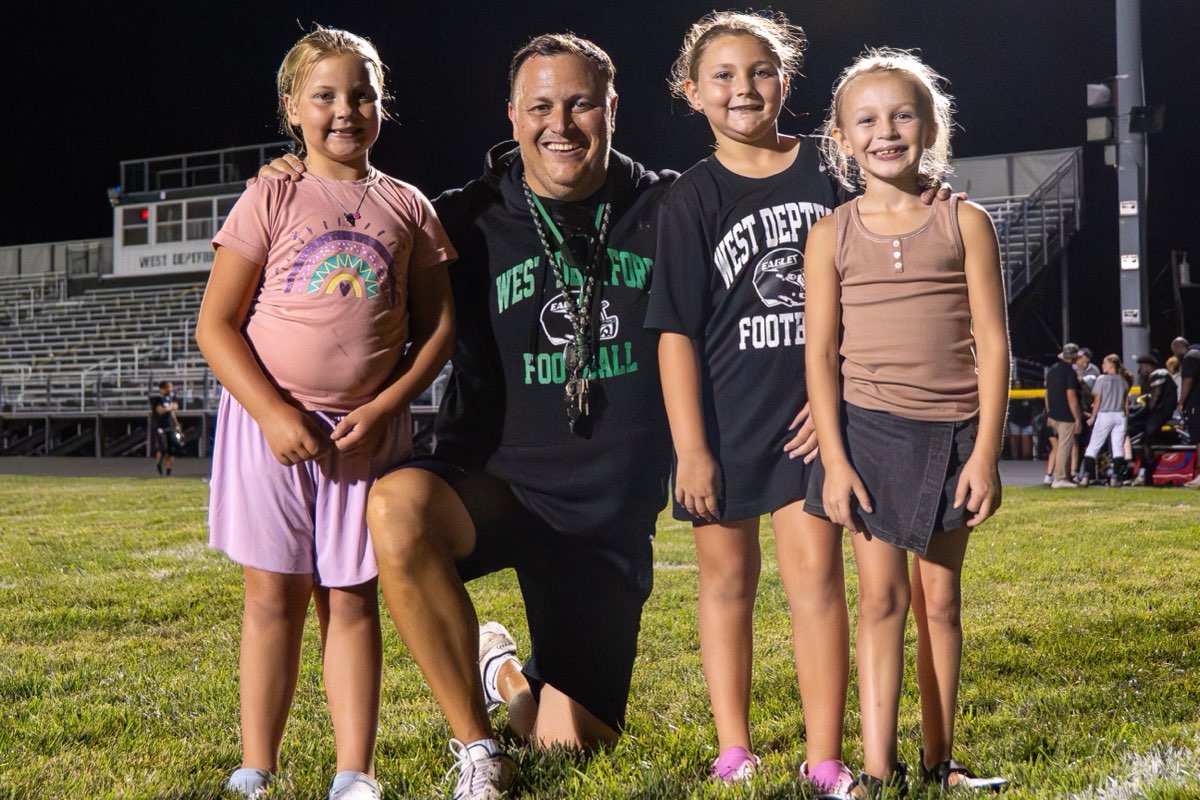
The time we're on the field at practice is probably the easiest part of the week. You're with these guys every day, and the key part is minimizing distractions and taking care of things off the field: making sure everybody's in a good place mentally, that they have the support, that they're doing well in school, that they're managing whatever home life they have. Getting them to the game in a good space to perform at the best of their abilities.
Day to day there's a lot of work done off the field, keeping morale high and giving the kids the mentality they need to come in and work in a distraction-free environment. I spend a lot of time just making sure everybody feels good. Then the health and the nutrition and the rest, all of those feed into your ability to be successful on the field. Keep the guys in a good place mentally and manage the workload, knowing when it's time to crank it up and when it's time to scale back a little. Whatever you do there, you want to be effective, and you want to get better.
Q10What advice would you give a coach who just landed their first coaching job?
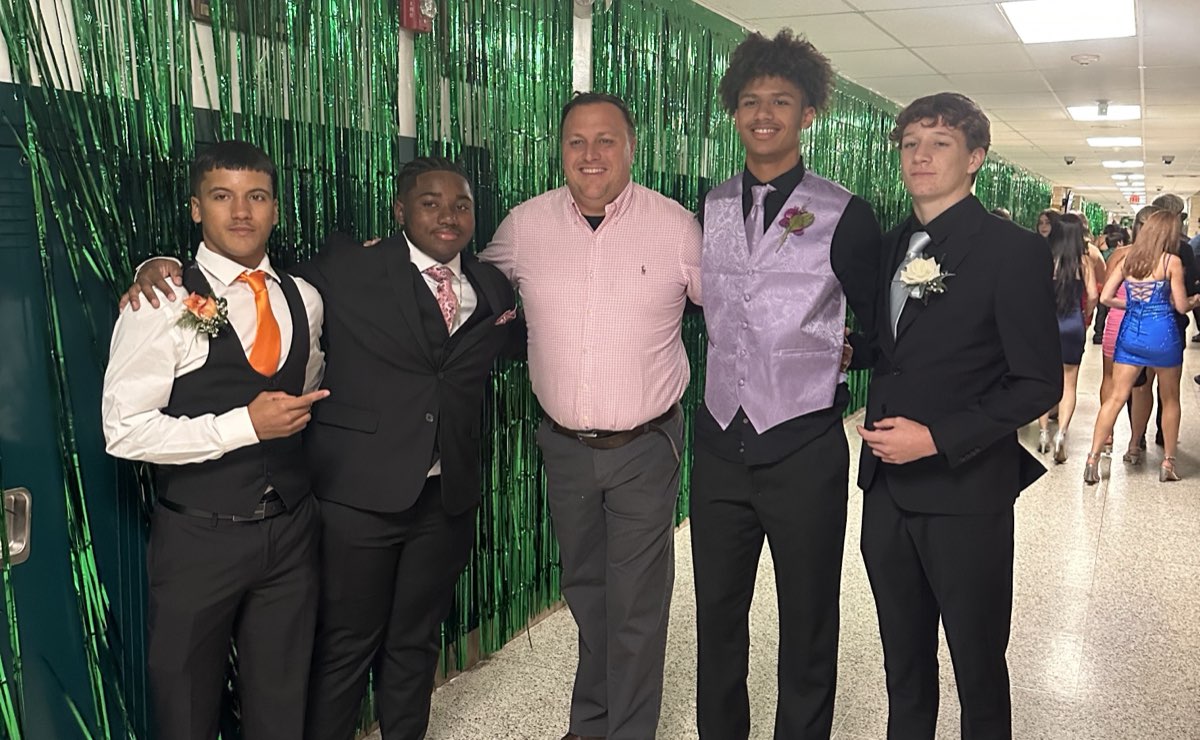
I would hope they're prepared, but it's not as easy as it looks. Most head coaches take over programs that either haven't been successful, or have been successful and are about to see a drop-off. Most coaches don't leave when things are on top. There are a few programs where that does happen, but for the most part, the job was open for a reason, so you're going to have to go in there and go to work. A lot of the success you will or won't have is a direct reflection of what you do in the offseason. It might take a couple of years.
You have to develop guys and find guys who are willing to do the work, and play those guys, because the work ethic they're developing is what's going to make you successful, not just the superstars or the guys it comes easy to. Build a relationship with the youth program, so you can project how guys will come in and help. The more continuity you have with the middle school age group and those coaches, the easier the transition into your program, and the more consistent you'll be. You're going to have really talented teams some years, but it's really about the years when you're not as talented, and finding a way to win day to day.
So go to work, and accept blame. A lot of young coaches blame other people. My players aren't good enough, my coaches aren't good enough, we didn't do a good enough job. Okay, we didn't do a good enough job, but as the head coach, it's all on you. We have good assistants and a good program, but it's my job to take on the responsibility when there are failures, and usually you know what they'll be before they happen. Accept that you're in charge and it's your job to make sure things are right, even when it's not directly your fault. You've got to be the man who takes the blame. If young coaches do that, they're on the path to success.